
A DWI arrest in Southlake can happen to anyone. Maybe you had dinner at Del Frisco’s Grille, met friends for drinks at Moxy’s, or enjoyed happy hour at Whiskey Cake before heading home. One moment you’re driving through Town Square, and the next you’re seeing flashing lights in your rearview mirror. What happens next can affect your career, your driving privileges, and your future for years to come.
Varghese Summersett has defended thousands of DWI cases across Texas, and we understand what’s at stake for Southlake residents. Anna Summersett, Benson Varghese, and Letty Martinez are Board Certified Criminal Specialists. A conviction doesn’t just mean fines and possible jail time. It can threaten professional licenses, damage your reputation in this close-knit community, and create obstacles you never anticipated. Our Southlake DWI lawyers have the experience and resources to fight for the best possible outcome in your case.
Where DWI Arrests Happen in Southlake
Southlake is home to some of the most popular restaurants and bars in the DFW Metroplex. The vibrant dining and nightlife scene at Southlake Town Square draws residents and visitors throughout the week, particularly on weekends. Establishments like Brix & Ale, Mi Cocina, Truluck’s, True Food Kitchen, The Capital Grille, and Taverna Rossa are regularly packed with patrons enjoying food and drinks.
Beyond Town Square, popular spots like The Beehive, Moxie’s Grill & Bar, and various restaurants along State Highway 114 and Southlake Boulevard see steady traffic. Southlake Police Department actively patrols these areas, particularly on Friday and Saturday nights, looking for signs of impaired driving.
Common patrol areas include:
- State Highway 114 and surrounding exits
- Southlake Boulevard (FM 1709)
- Carroll Avenue near Town Square
- White Chapel Boulevard
- Davis Boulevard
If you’ve been stopped after leaving any of these areas, the decisions you make in the next few hours matter enormously. Call a DWI lawyer before answering questions or submitting to testing beyond what’s legally required.
Protect your rights and your record. Call (817) 203-2220 for a free consultation.

What DWI Means Under Texas Law
Under Texas Penal Code § 49.04, a person commits the offense of driving while intoxicated if they operate a motor vehicle in a public place while intoxicated. Texas law defines intoxication in two ways: having a blood alcohol concentration (BAC) of 0.08% or more, or not having the normal use of mental or physical faculties due to alcohol, drugs, or a combination of substances.
This means you can be charged with DWI even if your BAC is below 0.08% if the officer believes your driving or behavior shows impairment. It also means prescription medications, over-the-counter drugs, and even legal substances can result in DWI charges if they affect your ability to drive safely.
Enhanced DWI Charges
Not all DWI charges are the same. Texas law provides for enhanced charges and penalties based on specific circumstances:
DWI with BAC of 0.15 or Higher: Under Texas Penal Code § 49.04(d), a first DWI with a BAC of 0.15% or higher is a Class A misdemeanor rather than a Class B, carrying significantly higher penalties and mandatory ignition interlock requirements.
DWI with Child Passenger: Under Texas Penal Code § 49.045, driving while intoxicated with a passenger under 15 years old is a state jail felony, even for a first offense.
DWI Second Offense: A second DWI is a Class A misdemeanor with mandatory minimum jail time.
DWI Third or More: A third DWI is a third-degree felony carrying 2 to 10 years in prison.

Penalties for DWI in Texas
The consequences of a DWI conviction extend far beyond what most people expect. Here’s what you face at each level:
First DWI (Class B Misdemeanor)
- Up to 180 days in jail (72-hour minimum if no ignition interlock)
- Fine up to $2,000
- License suspension of 90 days to 1 year
- Annual surcharge of $1,000 to $2,000 for three years to maintain license
- Possible ignition interlock device requirement
- DWI education classes
First DWI with BAC 0.15+ (Class A Misdemeanor)
- Up to 1 year in jail
- Fine up to $4,000
- License suspension of 90 days to 1 year
- Mandatory ignition interlock device
- Annual surcharge of $1,500 to $2,000 for three years
Second DWI (Class A Misdemeanor)
- 30 days to 1 year in jail (minimum 30 days if prior conviction within 5 years)
- Fine up to $4,000
- License suspension of 180 days to 2 years
- Annual surcharge of $1,500 to $2,000 for three years
- Mandatory ignition interlock device
Third DWI (Third-Degree Felony)
- 2 to 10 years in prison
- Fine up to $10,000
- License suspension of 180 days to 2 years
- Annual surcharge of $1,500 to $2,000 for three years
- Mandatory ignition interlock device
What to Expect With Bond in Tarrant County
After a DWI arrest in Southlake, you’ll typically be taken to the Southlake Police Department for booking before being transferred to the Tarrant County Jail in Fort Worth. Bond will be set based on the specific charge and your criminal history.
Our analysis of over 52,000 bonds set in Tarrant County during 2025 provides insight into what you can expect:
- Standard first DWI: The most common bond is $500, with an average around $950
- DWI with BAC 0.15 or higher: Bonds typically start at $1,000, with an average around $1,470
- DWI second offense: The most common bond is $1,500, with an average around $1,800
- DWI third or more: Bonds increase significantly, with an average exceeding $14,000
- DWI with child passenger: Average bonds around $3,750
Our Tarrant County data shows that approximately 11.5% of all defendants receive personal bonds (PR bonds), which require no upfront payment. Whether you qualify for a personal bond depends on factors including your ties to the community, employment status, criminal history, and the specific circumstances of your case.
A Fort Worth bail bonds lawyer from our team can advocate for bond reduction or a personal bond at your initial appearance.
The ALR Hearing: Protecting Your License
One of the most time-sensitive aspects of a DWI arrest is the Administrative License Revocation (ALR) hearing. You have only 15 days from the date of your arrest to request this hearing. If you fail to request it in time, your license will be automatically suspended.
The ALR hearing is separate from your criminal case and takes place before an administrative law judge. At this hearing, we can challenge the legality of the traffic stop, the administration of field sobriety tests, and the procedures used for breath or blood testing.
Even if we don’t win the ALR hearing, it provides valuable discovery. We get to question the arresting officer under oath, often revealing inconsistencies or weaknesses in the state’s case that we can exploit later in criminal court.
Don’t wait. If you’ve been arrested for DWI in Southlake, call (817) 203-2220 immediately to protect your driving privileges.

How We Defend DWI Cases
Every DWI case has potential weaknesses. Our job is to find them and use them to your advantage. Our Fort Worth intoxication crimes lawyers employ proven defense strategies that have resulted in dismissals, reductions, and acquittals throughout Tarrant County.
Challenging the Traffic Stop
Police need reasonable suspicion to pull you over. If the officer lacked a valid reason for the stop, any evidence gathered afterward may be suppressed. We scrutinize dash cam footage, body camera recordings, and police reports to identify illegal stops. Common issues include stops based solely on anonymous tips, stops for minor violations that weren’t actually committed, and pretextual stops that lack legitimate basis.
Attacking Field Sobriety Tests
Standardized field sobriety tests (SFSTs) are notoriously unreliable. The Horizontal Gaze Nystagmus test, Walk-and-Turn test, and One-Leg Stand test must be administered according to strict protocols established by the National Highway Traffic Safety Administration. Even when administered correctly, these tests are affected by age, weight, physical conditions, footwear, road conditions, and weather. We challenge both the administration and interpretation of these tests.
Questioning Breath Test Results
Breathalyzer machines require regular calibration and maintenance. Operator errors are common. Medical conditions like acid reflux, diabetes, and certain diets can produce falsely elevated readings. We obtain maintenance records, calibration logs, and operator certifications to identify potential errors in breath test results.
Challenging Blood Test Procedures
If police obtained a blood search warrant, we examine every step of the process: the warrant application, the blood draw procedure, chain of custody, storage conditions, and lab analysis. Contamination, improper storage, and lab errors can all compromise blood test results. Our attorneys have specialized training in forensic evidence and know how to effectively challenge blood test evidence.
Examining Rising Blood Alcohol Defense
Alcohol takes time to absorb into your bloodstream. If you consumed alcohol shortly before driving, your BAC may have been below 0.08% while you were actually driving but rose above that level by the time you were tested. This “rising blood alcohol” defense can be effective when there’s a significant delay between the stop and the test.
Real Results in DWI Cases
Our attorneys have secured favorable outcomes in DWI cases throughout North Texas. Here are examples of what we’ve achieved for our clients:
In one Tarrant County DWI case, our client was facing a standard DWI charge. Through careful analysis of the evidence and strategic negotiation, attorney Alex Thornton secured a reduction to Obstruction of Highway with 12 months of deferred adjudication. This outcome meant our client avoided a DWI conviction entirely, preserving their driving record and their ability to seek nondisclosure of the record in the future.
In another case involving a DWI with BAC over 0.15 combined with an unlawful carrying weapon charge in Tarrant County, we advocated for our client to be accepted into the Veterans Court program, providing treatment and supervision rather than traditional prosecution.
We also represented a client charged with DWI and unlawful carrying weapon in Parker County. We negotiated 15 months of deferred adjudication on the DWI charge, and the weapons charge was dismissed entirely.
In Denton County, we secured a reduction of a DWI with BAC over 0.15 to a standard Class B DWI with 20 months of deferred adjudication, significantly reducing our client’s exposure.
Past results do not guarantee future outcomes.
Collateral Consequences of a DWI Conviction
For Southlake residents, the consequences of a DWI conviction extend far beyond fines and jail time. Understanding these collateral consequences helps you appreciate why fighting your charge matters:
Professional Licenses
Doctors, nurses, lawyers, CPAs, financial advisors, real estate agents, and many other licensed professionals must report criminal convictions to their licensing boards. A DWI conviction can trigger disciplinary proceedings, license suspension, or revocation.
Employment Impact
Many employers conduct background checks. A DWI conviction can disqualify you from positions involving driving, working with children, or holding positions of trust. Some employers terminate employees following any criminal conviction.
Insurance Consequences
Your auto insurance rates will increase dramatically following a DWI conviction, often by 50% to 100% or more. Some insurers will drop you entirely, forcing you to obtain expensive high-risk coverage.
Travel Restrictions
Several countries restrict entry for people with DWI convictions, including Canada, which denies entry to anyone with a DWI conviction regardless of how long ago it occurred.
Immigration Consequences
For non-citizens, a DWI conviction can affect visa status, green card applications, and naturalization. Multiple DWIs or DWI with aggravating factors can lead to deportation proceedings.
The Court Process for Southlake DWI Cases
Understanding the court process helps you know what to expect:
Jurisdiction
Where your case is heard depends on the charge level. Class C misdemeanors (like DUI for minors) may be handled in Southlake Municipal Court. Class A and B misdemeanor DWIs are prosecuted in Tarrant County Criminal Courts, located at the Tim Curry Criminal Justice Center in downtown Fort Worth. Felony DWIs are handled in Tarrant County District Courts.
Arraignment
At arraignment, you’ll enter a plea. We almost always recommend pleading not guilty at this stage, which preserves all your options and allows time for thorough investigation and negotiation.
Discovery and Pre-Trial Motions
We obtain all evidence the prosecution intends to use, including police reports, video footage, breath or blood test results, and witness statements. We file motions to suppress illegally obtained evidence and challenge any constitutional violations.
Negotiations
Many DWI cases are resolved through negotiation. Our goal is always the best possible outcome, whether that’s dismissal, reduction to a lesser charge, or a favorable plea agreement that minimizes consequences.
Trial
If your case goes to trial, you have the right to a jury trial. Our attorneys have collectively tried over 500 jury trials and are fully prepared to take your case to a jury when that’s the best strategy.

What to Expect From Varghese Summersett
We are the only firm in North Texas with four Board Certified Criminal Law Specialists. Board certification represents the highest recognition of legal expertise in Texas, requiring extensive experience, peer review, and rigorous examination. Combined with six former state and federal prosecutors who understand how the other side thinks, our DWI defense team offers expertise that few firms can match.
All the partners at our firm are former Tarrant County prosecutors, and several also worked at the United States Attorney’s Office. This background gives us unique insight into how DWI cases are built and how to effectively challenge them.
From your first call, we move quickly. We’ll request the ALR hearing within the 15-day deadline, begin gathering evidence, and start building your defense immediately. You’ll have direct access to your attorney and receive regular updates throughout your case.
Our goal extends beyond avoiding jail time. We seek to avoid a conviction entirely when possible, protecting your record, your license, and your future. We’ve been recognized as Top Attorneys by Southlake Style, Fort Worth Magazine, and 360 West Magazine because of our commitment to achieving the best possible outcomes for our clients.
Talk to a lawyer before you speak to anyone else. Call (817) 203-2220 for a free consultation.

Frequently Asked Questions
Should I refuse the breath or blood test?
This is a complex question with no universal answer. Refusing a breath test triggers an automatic 180-day license suspension (versus 90 days for failing). However, refusing may limit the evidence against you. If police obtain a blood warrant, you cannot legally refuse the blood draw. The best advice is to contact a lawyer immediately, even from the scene if possible, before making this decision.
Can I get a DWI off my record?
If your case is dismissed or you’re found not guilty, you may be eligible for expunction, which completely erases the arrest from your record. If you receive deferred adjudication (which is now available for first-time DWI offenses in Texas), you may eventually be eligible for DWI nondisclosure, which seals your record from public view. A conviction cannot be expunged or sealed.
Will I lose my license after a DWI arrest?
Your license faces two separate threats: the ALR administrative suspension (which can be challenged at a hearing) and suspension as part of criminal sentencing. By requesting an ALR hearing within 15 days, you can potentially delay or prevent the administrative suspension. An experienced attorney can also negotiate to minimize or avoid license suspension as part of any plea agreement.
How long does a DWI case take?
Most misdemeanor DWI cases in Tarrant County take 3 to 6 months to resolve, though complex cases or those going to trial may take longer. Felony DWI cases typically take longer. Throughout this process, we work to resolve your case as quickly as possible while still achieving the best outcome.
Is DWI the same as DUI in Texas?
Not exactly. DWI (driving while intoxicated) applies to adults 21 and over. DUI (driving under the influence) is a separate offense for minors who have any detectable amount of alcohol in their system. DUI is a Class C misdemeanor. The difference between DWI and DUI matters significantly for penalties and defense strategies.

Our Southlake Office
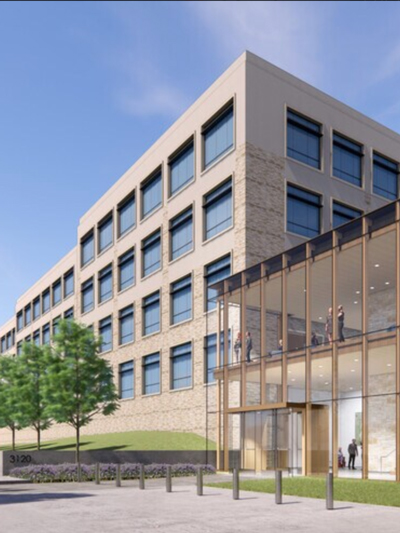
Our Southlake office is conveniently located just north of 114 and Dove Road:
3120 Sabre Dr Suite 110, Southlake, TX 76092
We’re available 24 hours a day, 7 days a week for DWI emergencies. If you’ve just been arrested, call us immediately at (817) 203-2220.
Texas DWI Defense
Experienced DWI defense attorneys across Texas
Dallas
Fort Worth
Fort Worth DWI Resources
Other Locations
Statewide Resources
- Felony DWI
- DWI on a Horse
- 101 DWI Facts
- Difference DUI vs DWI
- How to Defend DWI
- Fight DWI Breath Test
- Experts in DWI Cases
- Things Never to Do if Stopped for DWI
- Intoxication Charges in Texas
- DWI Blood Draw Locations
- DWI Open Container
- Early Release from DWI Probation
- Days as a Condition of DWI Probation
- Countries You Can’t Go To With a DUI
Charged with DWI in Texas? Get a free consultation.
A DWI arrest doesn’t have to derail your life. With the right defense team, you have a real chance to protect your license, avoid a conviction, and move forward. Call (817) 203-2220 now to schedule your free consultation with a Southlake DWI lawyer who will fight for you.