
In Texas, you can be charged with murder even if you never intended to kill anyone. Under the felony murder rule in Texas Penal Code § 19.02, a person who commits a felony and, in the process, causes someone’s death can face a first-degree murder charge, punishable by 5 years to life in prison. This charge has been used with growing frequency in North Texas, particularly in drunk driving fatalities involving repeat offenders.

Varghese Summersett’s criminal defense team includes Board Certified specialists and former prosecutors with decades of combined experience handling murder charges across North Texas, from DWI fatalities to drug-related deaths. If you or a loved one is facing a felony murder charge, time is critical.
The firm has secured more than 1,600 dismissals and 800+ charge reductions for Texas clients. Our attorneys know how prosecutors build these cases, because many of them once built cases themselves.
You've Seen Us On



































How Does Texas Define Murder?
Murder is defined in Texas Penal Code § 19.02. The statute identifies three separate ways a person can commit murder. Most people are familiar with the first two. The third, commonly called the “felony murder rule,” is the focus of this article.
Under § 19.02, a person commits murder if he or she:
- Intentionally or knowingly causes the death of an individual; or
- Intends to cause serious bodily injury and commits an act clearly dangerous to human life that causes the death of an individual; or
- Commits or attempts to commit a felony, other than manslaughter, and in the course and furtherance of that commission, or in immediate flight from it, commits or attempts to commit an act clearly dangerous to human life that causes the death of an individual.
That third definition is felony murder. No intent to kill is required. The only requirements are an underlying felony and a dangerous act that causes death.
What Is the Difference Between Murder and Felony Murder?
Standard murder requires that the defendant intended to kill or cause serious bodily injury. Felony murder requires no such intent. Instead, it applies when a person is committing a felony and, in the process, performs an act “clearly dangerous to human life” that results in someone’s death.
A classic example: a getaway driver in a robbery who, fleeing the scene, runs over and kills a pedestrian. The driver didn’t intend to kill anyone. But because the driver was committing a felony (robbery) and performed a dangerous act (reckless driving) that caused a death, the state can charge murder. The fact that the death was unintended is no defense.
What Must the Prosecution Prove in a Felony Murder Case?
The burden of proof in every Texas criminal case falls entirely on the State. The defendant has no obligation to prove innocence. To convict someone of felony murder under Tex. Penal Code § 19.02(b)(3), prosecutors must establish each of the following elements beyond a reasonable doubt:
- The defendant committed or attempted to commit a felony (other than manslaughter)
- In the course of, in furtherance of, or in immediate flight from that felony
- The defendant committed or attempted to commit an act clearly dangerous to human life
- That dangerous act caused the death of an individual
Defense strategy almost always focuses on challenging one or more of these elements. Did the underlying offense actually qualify as a felony? Was the dangerous act truly “in furtherance” of that felony, or was it independent? Was causation truly established? These are the pressure points a skilled defense attorney will examine from day one.

What Is the Punishment for Felony Murder in Texas?
From a sentencing standpoint, the law treats felony murder identically to standard murder. It is a first-degree felony, punishable by:
- 5 years to life in prison
- A fine of up to $10,000
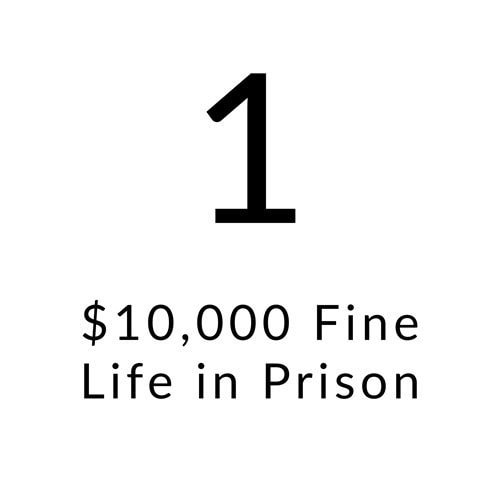
There is no lesser punishment track for felony murder. A person convicted faces the same range as someone who planned and carried out a killing. That reality is what makes this charge so devastating, and why building a defense early is so important.
Why Would Prosecutors Charge Felony Murder Instead of Intoxication Manslaughter?
Intoxication manslaughter is punishable by 2 to 20 years in prison. Felony murder carries 5 years to life. When the facts support it, prosecutors pursue the murder charge to seek a significantly harsher outcome. The decision often comes down to whether the defendant had a prior felony-level DWI conviction, which creates the necessary underlying felony.
If you’re facing any charge related to an alcohol or drug-related death in North Texas, understanding this distinction could define the rest of your life. Talk to a lawyer before you speak to anyone else, including police.
How Common Is Felony Murder in Texas?
Felony murder prosecutions occur regularly across Texas, with Tarrant County being one of the most aggressive jurisdictions in the country. In October 2004, Tarrant County became one of the first counties in Texas to apply the felony murder rule in the prosecution of a habitual drunk driver who caused a fatality. Since then, the strategy has spread and evolved.
Prosecutors have expanded its application beyond DWI to include drug delivery deaths, robberies gone wrong, and other situations where a felony intersects with a fatal act. The rise of fentanyl-related deaths has produced a new wave of felony murder charges statewide, as prosecutors charge drug dealers with murder when a customer dies from an overdose.
How Have Prosecutors Used Felony Murder Against Repeat Drunk Drivers in North Texas?
Under Texas law, a driver can be charged with felony DWI if he or she has two or more prior DWI convictions, or drives intoxicated with a child in the vehicle. Over the past two decades, prosecutors have used that underlying felony DWI charge as the foundation for a murder indictment when a death results.
The landmark Tarrant County case involved Jake Aaron Strickland, who had been drinking at a downtown Fort Worth nightclub before driving the wrong way onto a freeway and colliding with a vehicle occupied by Julie and Brent Jones. Brent Jones was killed instantly. Prosecutors discovered Strickland had two prior misdemeanor DWI convictions, making this collision his third DWI-related charge, and therefore a felony. They pursued murder rather than intoxication manslaughter.
Their theory: Strickland was committing felony DWI (the underlying felony) and then drove the wrong way on the freeway (the act clearly dangerous to human life), causing Jones’s death. The felony murder rule connected those dots.
What Are Real Examples of Felony Murder Charges in North Texas?
These cases illustrate how broadly the felony murder rule has been applied across the region:
- A TCU student was indicted for felony murder after being accused of injecting heroin into his friend’s arm, causing the friend’s death. The underlying felony was delivery of a controlled substance. The dangerous act was the injection itself.
- An Arlington mother was charged with felony murder after driving intoxicated with a child in the vehicle (a felony DWI) while traveling the wrong way on the freeway. A chain-reaction collision ultimately killed a man who had stopped to assist other drivers.
- A Denton County grand jury indicted a chronic drunk driver for murder after he drove drunk on Easter, which was a felony due to prior convictions, and caused a wreck that killed two members of an Argyle family and seriously injured three others. It was the first felony murder charge filed in Denton County for a DWI-related death.
- A Burleson man with two prior DWI convictions was charged with felony murder after allegedly driving drunk and striking a concrete barrier, killing his own passenger.

What Are the Defenses to Felony Murder in Texas?
Because felony murder requires proof of multiple elements, defense strategies often focus on attacking the weakest link in the prosecution’s chain. Common approaches include:
- Challenging the underlying felony. If the predicate offense cannot be proven beyond a reasonable doubt, the entire felony murder charge collapses. For example, if prior DWI convictions are legally defective or were improperly admitted, the charge may not hold.
- Challenging causation. Prosecutors must prove that the dangerous act caused the death. In multi-vehicle accidents or complex crash sequences, that causal chain can sometimes be broken with the right expert testimony.
- Challenging the “clearly dangerous” act. Not every act during the commission of a felony is “clearly dangerous to human life.” A defense attorney can argue that the defendant’s specific conduct doesn’t meet that threshold.
- Challenging the connection between the felony and the death. The death must occur “in the course and furtherance” of the felony. If the dangerous act was truly independent of the underlying offense, the rule may not apply.
- Negotiating a lesser charge. When facts are difficult to contest, an experienced attorney may be able to negotiate the murder charge down to intoxication manslaughter or another lesser offense, dramatically reducing the potential sentence.
These cases demand attorneys who have been on both sides of the courtroom. Varghese Summersett’s team includes former prosecutors who spent years building these exact kinds of cases. That experience is now working for defendants.
What Is a Typical Bond for Murder in Tarrant County?
Bond in a felony murder case is typically set very high. Based on an analysis Varghese Summersett completed of over 52,320 bonds set in Tarrant County in 2025:
| Offense | Cases Reviewed | Average Bond | Most Common Bond |
|---|---|---|---|
| Murder (Tex. Penal Code § 19.02) | 71 | $445,000 | $100,000 |
| Intoxication Manslaughter (§ 49.08) | 6 | $65,000 | $75,000 |
| Manslaughter (§ 19.04) | 10 | $72,500 | $50,000 |
Bond amounts vary considerably depending on the specific facts, the defendant’s criminal history, and the magistrate assigned. A felony murder charge, classified as a first-degree felony, typically results in a significantly higher bond than other homicide-related charges. An attorney can petition the court for a bond reduction or argue for release conditions.
Watch: What’s the Difference Between Murder and Capital Murder in Texas?
What Should You Do If You’re Facing a Felony Murder Charge in North Texas?
The most important thing you can do after an arrest, or even during an investigation, is hire an experienced criminal defense attorney immediately. Do not speak to investigators without counsel present. Statements made during the early stages of a case are often the most damaging evidence prosecutors use at trial.
Felony murder cases move quickly. Evidence is gathered fast, witnesses are interviewed, and the prosecution begins building its case from the moment law enforcement arrives on the scene. Every day you wait is a day your defense team could have been working for you instead.
Protect your rights and your record. Schedule a free consultation with Varghese Summersett today.
What to Expect From Varghese Summersett
Varghese Summersett is one of Texas’s most respected criminal defense firms, with offices in Fort Worth, Dallas, Southlake, and Houston. Our team of 70+ legal professionals includes four Board Certified specialists, former prosecutors, and trial attorneys who have handled hundreds of serious felony cases, including murders, across North Texas courts.
When you work with us on a felony murder charge, you can expect a team that investigates the facts independently, challenges every element of the prosecution’s case, and fights for the best possible outcome, whether that means a dismissed charge, a reduced indictment, or a not guilty verdict at trial. Firm-wide, we have secured more than 1,600 dismissals and 800+ charge reductions for our clients.
We understand what is at stake for you and your family. We will be honest with you about your situation, and we will fight for you every step of the way.
Award-Winning Legal Excellence















Ask Varghese Summersett AI
Versus-AI has been taught everything from our website and is here to help you find the answers you need. Ask Versus-AI anything.
Frequently Asked Questions About Felony Murder in Texas
Can you be charged with felony murder if you didn’t intend to kill anyone?
Yes. That is the defining feature of felony murder under Texas law. The prosecution does not need to prove intent to kill. They only need to show that you were committing a felony and that, in the process, you performed an act clearly dangerous to human life that caused someone’s death.
What felonies can trigger a felony murder charge?
Almost any felony can serve as the predicate offense, with one notable exception: manslaughter itself cannot be the underlying felony. Common predicate felonies in Texas include felony DWI (three or more prior DWI convictions or DWI with a child passenger), drug delivery, robbery, and burglary.
How is felony murder different from manslaughter?
Manslaughter under Texas Penal Code § 19.04 involves recklessly causing someone’s death. It is a second-degree felony punishable by 2 to 20 years. Felony murder is a first-degree felony punishable by 5 years to life. Prosecutors often have a choice between these charges, and they tend to pursue murder when a prior felony record is present. For a fuller breakdown, see our guide on the differences between murder, manslaughter, and criminally negligent homicide.
What is the difference between murder and capital murder in Texas?
Capital murder is the most serious homicide charge in Texas and carries either life without parole or the death penalty. It applies when a killing involves specific aggravating factors, such as killing a peace officer, killing multiple people, or killing for hire. Standard murder, including felony murder, is a first-degree felony. You can read more in our article on murder vs. capital murder in Texas.

Texas Homicide Defense
Experienced homicide defense attorneys across Texas
Other Locations
Facing homicide charges in Texas? Get a free consultation.
If you or a loved one is facing a felony murder charge in Fort Worth or anywhere in North Texas, don’t wait. Our team has the experience, resources, and track record to give you the best possible defense. Call 817-203-2220 for a free consultation with a Board Certified Criminal Law Specialist.