
Benson Varghese
Fundador y socio director
- Certificado en Derecho Penal
- Más de 100 juicios con jurado, tanto estatales como federales
- Profesor adjunto de la Facultad de Derecho de Baylor
Una acusación no es una condena. Obligamos al Estado a demostrarlo.
Si te han acusado de agresión sexual en Fort Worth, lo que hagas en las próximas 48 horas puede determinar cómo serán los próximos 20 años. Es posible que un detective te invite a dar tu versión de los hechos. Puede que los Servicios de Protección Infantil (CPS) se presenten en tu puerta. Quizás ya se haya emitido una orden de detención. Lo más importante que puedes hacer es no decir nada y llamar a un abogado especializado en agresiones sexuales de Fort Worth antes de responder a cualquier pregunta.
Varghese Summersett defiende estos casos a diario en el condado de Tarrant. Todos los abogados sénior de nuestro bufete comenzaron su carrera como fiscales; tres de nuestros socios cuentan con la certificación de la Junta en Derecho Penal, y nuestra oficina, situada en el número 300 de la calle Throckmorton, se encuentra a pocos pasos del Centro de Justicia Penal Tim Curry, donde se tramitan todos los casos de agresión sexual grave del condado de Tarrant.
Nuestro cliente fue acusado de abuso sexual continuado de un niño pequeño, el delito sexual más grave del Código Penal de Texas, solo por detrás del asesinato capital. La pena oscila entre 25 años y cadena perpetua, sin posibilidad de libertad condicional. No hay libertad condicional. Una condena supone una pena de cadena perpetua en todos los aspectos que importan.
No nos conformamos con la declaración pericial como única versión de los hechos. Llevamos a cabo nuestra propia investigación, analizamos cómo se desarrolló la denuncia y quién la influyó, y pusimos a prueba todas las hipótesis en las que se basaba el caso de la Fiscalía. En este tipo de casos, la investigación suele detenerse en el momento en que un menor afirma que ha ocurrido algo. La nuestra empieza ahí.
Esa es la diferencia entre negociar un acuerdo de culpabilidad y obligar a la Fiscalía a demostrar algo que no puede demostrar.
Se desestimó por completo la acusación. Sin condena. Sin inscripción en el registro. Sin prisión. Ese es el criterio que exigimos al Estado en todos los casos de agresión sexual que tramitamos, y por eso es tan importante llamar lo antes posible.
La presunción de inocencia desaparece en el momento en que surge la acusación. Nuestra labor consiste en restablecerla.
Benson Varghese, Socio DirectorLa defensa adecuada depende de los hechos, y saber cuál se ajusta a tu caso es la clave de todo el proceso. Estas son las defensas que más utilizamos en los casos de agresión sexual en el condado de Tarrant. Haz clic en cada una de ellas para ver cómo funciona.
En los casos de adultos, la Fiscalía debe demostrar que el acto se produjo sin consentimiento. Los mensajes de texto, los mensajes, los testimonios de los testigos y la cronología de los hechos antes y después del encuentro suelen revelar una versión muy diferente a la de la denuncia. Nosotros recopilamos esas pruebas antes de que la Fiscalía fije su versión de los hechos.
Las acusaciones falsas son más frecuentes de lo que la gente quiere creer, y los motivos son los de siempre: disputas por la custodia, divorcios, rupturas sentimentales, venganza y crisis de salud mental. Investigamos el motivo del denunciante, sus declaraciones anteriores y las circunstancias de la denuncia, y ponemos de manifiesto las incoherencias ante el gran jurado o el jurado.
En los casos que afectan a menores, la entrevista forense constituye la base de la acusación. Las preguntas tendenciosas, las indicaciones dadas por un adulto cercano al menor y las entrevistas que ignoran explicaciones alternativas pueden influir en el relato del menor. Entre nuestros abogados hay antiguos fiscales que utilizaban estas entrevistas para construir sus casos. Ahora las desmontamos.
Los exámenes SANE, las mezclas de ADN y los hallazgos médicos no son tan concluyentes como los presenta la Fiscalía. Colaboramos con expertos independientes para comprobar si las pruebas materiales respaldan realmente la acusación o si, simplemente, no permiten descartar nada.
Cuando se trata de una cuestión de identificación, cuestionamos cómo se llevó a cabo. Si estabas en otro lugar, lo demostramos con registros telefónicos, datos de localización, recibos y testigos.
En los casos tipificados por la ley, Texas reconoce una defensa afirmativa cuando el acusado no es más de tres años mayor que su pareja consentida, que tenga al menos 14 años, y se cumplan otras condiciones. Su aplicabilidad depende de una serie de detalles que un abogado debe evaluar rápidamente.
La mayoría de los casos de agresión sexual se reducen a la palabra de una sola persona. Aun así, la Fiscalía debe demostrar todos los elementos del delito más allá de toda duda razonable. Cuando las pruebas son escasas, contradictorias u obtenidas de forma ilegal, solicitamos su exclusión, las presentamos ante el gran jurado o llevamos el caso a juicio. Este es el principio en el que se basa la desestimación mencionada anteriormente.
Consulta con un abogado antes de hablar con la policía. Una sola declaración puede socavar incluso la defensa más sólida. Llama al (817) 203-2220 para una consulta gratuita.
Estos son algunos de los resultados representativos que nuestros abogados han conseguido en casos de agresión sexual y delitos sexuales en el condado de Tarrant. Los resultados son reales.
Los resultados anteriores no garantizan resultados futuros. Cada caso se resuelve en función de sus propias circunstancias. Para más información, consulta nuestra página de resultados.
Las investigaciones policiales en estos casos son parciales. Una vez que se formula una denuncia, los investigadores se dedican a confirmarla, no a cuestionarla. Por eso llevamos a cabo nuestra propia investigación, con detectives privados y expertos con amplia experiencia, centrándonos en las pruebas que el Estado nunca ha buscado.
Reconstruimos cómo surgió la denuncia: a quién se lo contó primero el menor o el denunciante, qué se le preguntó, quién estaba presente y qué estaba ocurriendo en la familia en ese momento. A continuación, analizamos minuciosamente la propia entrevista forense para detectar si hubo preguntas sugestivas o si se pasaron por alto otras posibilidades.
Los mensajes de texto, las redes sociales, las fotos y el historial de ubicaciones suelen contradecir de lleno una acusación. Actuamos con rapidez para preservar las pruebas digitales antes de que desaparezcan, tanto por parte de la acusación como de la defensa.
Contamos con expertos independientes para revisar las conclusiones de los SANE, los análisis de ADN y los historiales médicos. La cuestión nunca es si la Fiscalía cuenta con un experto, sino si la ciencia realmente dice lo que la Fiscalía afirma que dice.
Entrevistamos a los testigos que la policía pasó por alto y elaboramos una cronología minuto a minuto. Las incoherencias entre la denuncia y los datos verificables suelen ser lo que convence al gran jurado de desestimar el caso.
La mayoría de los abogados defensores esperan a que se dicte el auto de acusación. Cuando los hechos lo justifican, preparamos un expediente para el gran jurado y presentamos las pruebas exculpatorias que los fiscales nunca aportarían por iniciativa propia. Nuestras resoluciones de sobreseimiento en casos de agresión sexual se deben precisamente a este trabajo.
Si el caso tiene que ir a juicio, lo preparamos como si el juicio fuera a comenzar mañana mismo. Nuestra oficina de Fort Worth cuenta con una sala de juicios simulada donde preparamos a los clientes y ponemos a prueba la defensa ante personas que han llevado cientos de casos.
Saber qué nos espera nos ayuda a superar en parte el miedo. A continuación te explicamos cómo suele desarrollarse un caso de agresión sexual en el condado de Tarrant y en qué momento intervenimos en cada fase.
Se presenta una denuncia ante el Departamento de Policía de Fort Worth o ante otro organismo del condado de Tarrant. Si el denunciante es un menor, los investigadores suelen concertar una entrevista forense en Alliance for Children, el centro de defensa de los menores del condado. Es probable que intervenga el Servicio de Protección de Menores (CPS) si tienes hijos o convives con menores.
Es habitual que los detectives inviten al acusado a acudir a la comisaría para que dé su versión de los hechos. Saldrás de esa reunión sin esposas, pero es probable que la detención ya esté en marcha. Este es el momento más importante para que intervenga un abogado defensor. No acudas sin un abogado.
Si un juez firma una orden de detención, se te ingresará en la cárcel del condado de Tarrant y se fijará una fianza, normalmente con condiciones estrictas. A menudo podemos negociar que te entregues voluntariamente para que no te detengan en el trabajo o delante de tu familia, y luchamos para conseguir una fianza y unas condiciones con las que puedas vivir.
Todos los delitos graves cometidos en Texas deben someterse a un gran jurado antes del juicio. Se trata de una oportunidad crucial. Hemos logrado que los grandes jurados del condado de Tarrant desestimen las denuncias de agresión sexual, poniendo fin a los casos antes incluso de que se presentara el auto de acusación.
Si se te imputa, tu caso se asignará a uno de los juzgados de distrito de delitos graves del Centro de Justicia Penal Tim Curry, situado en el número 401 de la calle W. Belknap, en el centro de Fort Worth. Aquí tienen lugar la presentación de pruebas, las mociones previas al juicio y las negociaciones, y la mayor parte del trabajo que permite ganar un caso se lleva a cabo en esta fase.
Los casos pueden concluir con la desestimación de los cargos, la reducción de los mismos, un acuerdo negociado o un juicio. Los casos de agresión sexual en el condado de Tarrant suelen durar un año o más, y preparamos cada caso como si fuera a ser juzgado por un jurado.
Mientras el caso está pendiente, los tribunales imponen condiciones estrictas para la libertad bajo fianza en los casos de delitos sexuales: prohibición de contacto con la denunciante, restricciones para acercarse a lugares donde se reúnen niños, toques de queda y control del uso de Internet. El incumplimiento de cualquier condición puede suponer el regreso a la cárcel, por lo que nos aseguramos de que todas las condiciones sean claras y lo más viables posible.
Edificio One City Place
300 Throckmorton Street, Suite 700
Fort Worth, Texas 76102
Cuando nos contratas, cuentas con todo un equipo, no con un único abogado con la agenda llena. Todos los abogados sénior del bufete comenzaron su carrera como fiscales, y nuestro equipo cuenta con abogados que se han encargado de la acusación en delitos contra menores en el condado de Tarrant. Sabemos exactamente cómo la parte contraria construye un caso de agresión sexual, porque nosotros mismos solíamos hacerlo.
Nuestros abogados más veteranos han llevado más de 750 casos ante jurados de Texas, y tres de nuestros socios cuentan con la certificación en Derecho Penal otorgada por la Junta de Especialización Jurídica de Texas, una acreditación que menos del 10 % de los abogados de Texas consiguen. Comparecemos a diario en los juzgados de Fort Worth y conocemos bien cómo aborda cada juez y cada fiscal este tipo de casos.
A diferencia de los bufetes de gran volumen que tratan a los clientes como si fueran números de expediente, nosotros limitamos el número de casos que aceptamos. Siempre sabrás en qué punto se encuentra tu caso, cuáles son tus opciones y qué te recomendamos. Y comprendemos el impacto que estas acusaciones tienen en las familias: ofrecer una representación discreta y sin prejuicios forma parte de nuestro trabajo.
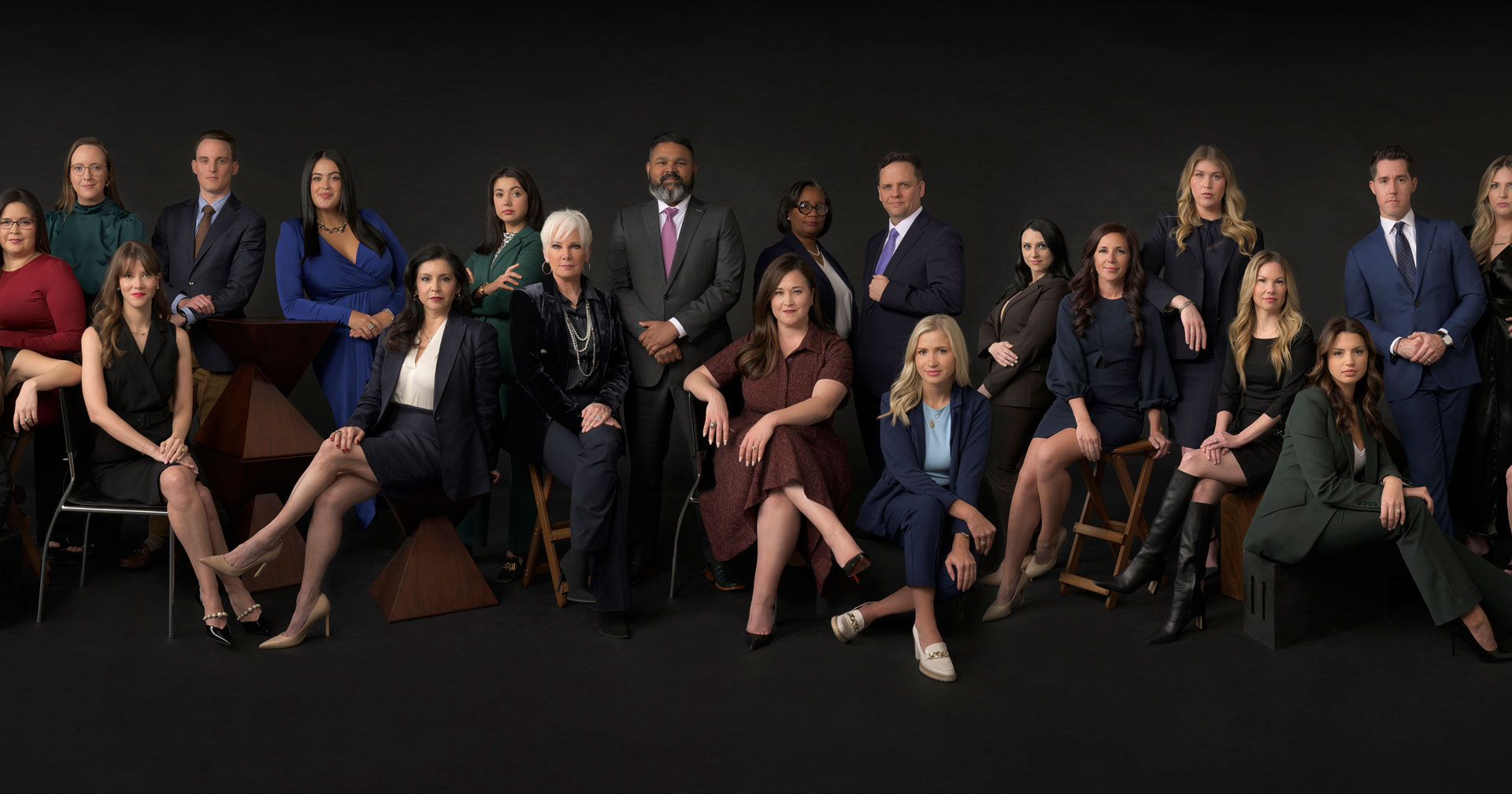
La defensa en casos de agresión sexual es una disciplina en sí misma. Entre los abogados que figuran a continuación se encuentran antiguos fiscales del condado de Tarrant que se ocupaban de delitos contra menores en nombre del Estado y que ahora defienden a los acusados.


Si quieres conocer los detalles jurídicos relacionados con tu acusación, empieza por la tabla y, a continuación, abre el tema que te interese. Cada delito incluye un enlace a una guía detallada.
| Ofensa | Nivel | Rango del castigo | Inscripción |
|---|---|---|---|
| Agresión sexual (art. 22.011) | Delito grave de segundo grado | De 2 a 20 años, con una multa de hasta 10 000 dólares | Sí |
| Agresión sexual con agravantes (art. 22.021) | Delito en primer grado | De 5 a 99 años o de por vida | Sí |
| Abuso sexual de un menor (menor de 17 años) | Delito grave de segundo grado | De 2 a 20 años | Sí |
| Agresión sexual con agravantes a un menor (menor de 14 años) | Delito en primer grado | De 5 a 99 años o cadena perpetua; pena mínima de 25 años en casos de agravante especial | Sí |
| Abuso sexual continuado de un niño pequeño (art. 21.02) | Delito en primer grado | De 25 años a cadena perpetua, sin posibilidad de libertad condicional | Sí |
| Actos obscenos con un menor mediante contacto (art. 21.11) | Delito grave de segundo grado | De 2 a 20 años | Sí |
| Actos obscenos con un menor mediante exhibicionismo (art. 21.11) | Delito grave de tercer grado | De 2 a 10 años | Sí |
| Agresión sexual (§ 22.012) | Delito menor de clase A | Hasta un año de cárcel y una multa de hasta 4.000 dólares | No |
Según el artículo 22.011 del Código Penal de Texas, la agresión sexual consiste en la penetración del ano o de un órgano sexual sin consentimiento, o en el contacto entre la boca y un órgano sexual sin consentimiento. Por lo general, se trata de un delito grave de segundo grado que conlleva una pena de entre 2 y 20 años y una multa de hasta 10 000 dólares. La edad del denunciante no es necesariamente un factor determinante en este delito, y la mera denuncia, sin necesidad de pruebas físicas, es suficiente desde el punto de vista legal para justificar una orden de detención.
Según el artículo 22.021 del Código Penal de Texas, el delito se considera agresión sexual agravada cuando conlleva lesiones físicas graves, una amenaza de muerte, el uso de un arma mortal, la administración de drogas a la víctima, o cuando la víctima es menor de 14 años, una persona mayor o una persona con discapacidad. Se trata de un delito grave de primer grado, castigado con penas de entre 5 y 99 años de prisión o cadena perpetua.
El contacto sexual con una persona menor de 17 años constituye un delito de agresión sexual a un menor, independientemente de que haya consentimiento, y suele ser un delito grave de segundo grado. Si el menor tiene menos de 14 años, el delito pasa a ser agresión sexual agravada a un menor, un delito grave de primer grado. En el caso de menores de 6 años, o de menores de 14 años con circunstancias agravantes, la agresión sexual superagravada conlleva una pena mínima de 25 años sin libertad condicional ni libertad bajo palabra.
Cuando se denuncian dos o más actos constitutivos del delito cometidos a lo largo de 30 días o más contra un menor de 14 años, la fiscalía puede imputar el delito de abuso sexual continuado de un menor: de 25 años a cadena perpetua, sin posibilidad de libertad condicional. El delito de actos obscenos con un menor abarca el contacto sexual sin penetración (delito grave de segundo grado) y la exhibición con intención sexual (delito grave de tercer grado).
Texas también tipifica como delito la captación de menores por Internet, la posesión o la difusión de pornografía infantil, las actuaciones sexuales de menores, las conductas sexuales prohibidas (incesto), las relaciones indebidas entre docentes y alumnos, y el abuso sexual, que constituye un delito menor de clase A por tocamientos íntimos no deseados. Cada uno de estos delitos conlleva su propio rango de penas y sus propias consideraciones en materia de defensa.
La pena de prisión es solo una parte. Una condena por la mayoría de los delitos sexuales conlleva la obligación de inscribirse en el registro de delincuentes sexuales, según lo establecido en el capítulo 62 del Código de Procedimiento Penal de Texas, a menudo de por vida. El registro limita dónde se puede vivir y trabajar, y la propia condena puede poner fin a carreras profesionales, licencias profesionales y derechos de custodia. En el caso de los no ciudadanos, una condena también puede acarrear consecuencias federales en materia de inmigración, incluida la expulsión. La mayoría de estas condenas nunca pueden ser eliminadas del expediente ni selladas, por lo que la lucha debe librarse ahora, y no después.
Un reconocimiento, sujeto a revisión por pares, del que pueden presumir muy pocos bufetes de defensa penal de Fort Worth.
Benson Varghese, abogado especializado en defensa penal y certificado por el Colegio de Abogados, explica cómo funcionan realmente estas investigaciones, por qué las cosas suelen estar tan en contra del acusado y qué hay que hacer en cuanto te enteras de una acusación.

La agresión sexual suele ser un delito grave de segundo grado, castigado con penas de entre 2 y 20 años de prisión y una multa de hasta 10 000 dólares. La agresión sexual con agravantes es un delito grave de primer grado, castigado con penas de entre 5 y 99 años de prisión o cadena perpetua. Los delitos cometidos contra menores de 14 años conllevan penas más severas, que incluyen penas de entre 25 años y cadena perpetua sin posibilidad de libertad condicional en casos de abuso sexual continuado y en casos con agravantes especiales.
No. Incluso las personas inocentes hacen declaraciones que los fiscales utilizan posteriormente en su contra. Los investigadores están capacitados para obtener confesiones, y cualquier cosa que digas puede ser tergiversada para respaldar la acusación. Ejerce tu derecho a guardar silencio y solicita un abogado antes de responder a cualquier pregunta de la policía o de los investigadores de los Servicios de Protección Infantil (CPS). Ten cuidado también con las llamadas de tu acusador: Texas es un estado en el que basta con el consentimiento de una de las partes, y los detectives suelen grabar las llamadas bajo pretexto.
Sí. Una condena por agresión sexual en Texas conlleva la obligación de inscribirse en el registro de delincuentes sexuales. Los requisitos de inscripción varían en función del delito, pero pueden tener carácter vitalicio. Evitar la inscripción es uno de los objetivos fundamentales de una defensa eficaz, por lo que resultados como la no imputación, la desestimación del caso y la absolución revisten una gran importancia.
En la mayoría de los casos de agresión sexual, un jurado puede recomendar la libertad condicional si nunca has sido condenado por un delito grave en Texas. Sin embargo, ciertos delitos, entre ellos la agresión sexual con agravantes especiales a un menor y el abuso sexual continuado de un niño pequeño, no pueden ser objeto de libertad condicional bajo ninguna circunstancia.
El plazo de prescripción para los delitos de agresión sexual a adultos es, por lo general, de 10 años. Sin embargo, no existe plazo de prescripción cuando se han recogido pruebas de ADN, cuando el delito consiste en una serie de agresiones sexuales o cuando la víctima era un menor.
Los casos de agresión sexual grave en el condado de Tarrant se presentan ante un gran jurado y, si se dicta auto de acusación, se asignan a uno de los juzgados de lo penal del Centro de Justicia Penal Tim Curry, situado en el 401 W. Belknap Street, en el centro de Fort Worth. Los casos de agresión indecente, considerados delitos menores, se tramitan en los juzgados penales del condado. Nuestra oficina se encuentra a pocos pasos del juzgado.
La mayoría de los casos de agresión sexual grave en el condado de Tarrant tardan un año o más en resolverse. El plazo depende de la investigación, la comparecencia ante el gran jurado, los análisis forenses, la presentación de pruebas y el calendario de juicios del tribunal. Los casos que se resuelven en la fase del gran jurado concluyen mucho antes, lo que constituye una razón más por la que es importante contar con representación legal desde el principio.
Los honorarios dependen de la fase en la que se encuentre el caso (investigación, fase previa a la acusación o fase posterior a la acusación), de la gravedad de los cargos y de si el caso va a ir a juicio. En la consulta gratuita le ofrecemos un presupuesto con una tarifa fija para que conozca el coste exacto antes de contratarnos. Para defender adecuadamente un caso de agresión sexual se necesitan investigadores y peritos, y le explicamos esos costes desde el principio.
Benson Varghese es el fundador y socio director de Varghese Summersett. Cuenta con la certificación en Derecho Penal otorgada por la Junta de Especialización Jurídica de Texas, ha llevado más de 100 juicios con jurado en los tribunales estatales y federales de Texas, y es profesor adjunto en la Facultad de Derecho de Baylor. Lee su biografía completa o conéctate con él en LinkedIn.
Publicado el 21 de febrero de 2024 · Actualizado el 7 de junio de 2026