Fort Worth Juvenile Defense Lawyer
An accusation is not a conviction. Your fight is ours.
Confidential Case Evaluation
Speak privately with a criminal defense attorney — we respond quickly, day or night.
Confidential · Available 24/7 · Se habla español
Fort Worth Juvenile Defense Lawyer
Your Fort Worth Criminal Defense Team
Four Board Certified specialists. Former prosecutors at the partner level. Our lawyers have been featured on 48 Hours, Dateline, Forensic Files, and Court TV. This is who handles your case.









Advice from Tiffany Burks, Fort Worth Juvenile Defense Lawyer
In Texas, offenses committed by an individual who is 10 years or older but under 17 are handled through the juvenile justice system.
In some cases, a person who is at least 17, but not yet 18, can be prosecuted through the juvenile justice system if they are alleged to have engaged in delinquent conduct or conduct indicating the need for supervision as a result of acts that occurred before they turned 17.
Our firm handles every level of juvenile defense. In Fort Worth, juvenile cases are led by Partner Tiffany Burks, who spent 24 years as a prosecutor — 22 of them in the Tarrant County District Attorney’s Office, where she handled juvenile, gang, and gun cases and retired in 2021 as a Deputy Chief over the criminal division. She knows how the State builds a juvenile case in Tarrant County because she supervised the lawyers who built them.
She is backed by Mike Hanson, a Partner who is Board Certified in Juvenile Law by the Texas Board of Legal Specialization — one of roughly 70 attorneys in all of Texas to hold that distinction.
What matters more than credentials is what they are used for. One reason we fight so hard is to avoid not just time in custody but any blemish on a young person’s record — particularly juvenile adjudications that can follow someone into adulthood. That is no way to enter adulthood.
Tarrant County Juvenile Lawyer Near You
Our Fort Worth juvenile defense team is based out of our downtown Fort Worth office.
We are located at:
7th Floor, One City Place
300 Throckmorton Street, Suite 700
Fort Worth, Texas 76102
What does a juvenile attorney do?
A juvenile attorney is an attorney who represents the child accused of delinquent conduct or conduct indicating a need for supervision. A juvenile attorney who is Board Certified is one of the very few attorneys who have proven themselves to be a specialist in the area of juvenile law. There are only about 70 Board Certified juvenile specialists in Texas.
What are our goals as a Fort Worth Juvenile Lawyer?
Our primary goal is to do what is in the best interest of the juvenile we represent, but we are also invested in avoiding repeat business. In other words, and especially when we work with individuals who are young, we want to get them out of the problem they are in but we don’t want them to ever be in the crosshairs of law enforcement again. To the extent that we can be a positive influence, we seek to do that. We work with individuals whose entire lives are ahead of them and we don’t want a juvenile or criminal record holding them back for what they can be.
What kinds of cases go through the juvenile system?
The juvenile system handles two types of conduct:
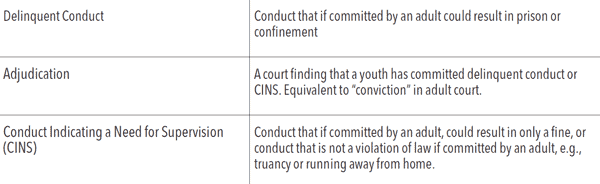
Delinquent Conduct
Delinquent Conduct is conduct, other than a traffic offense, that violates a criminal law of Texas or of the United States and is punishable by imprisonment or by confinement in jail. Family Code Section 51.03(a)(1). This includes Class A misdemeanors, Class B misdemeanors, and felony offenses.
Conduct Indicating a Need for Supervision
Conduct Indicating a Need for Supervision (CINS) is conduct, other than a traffic offense, involving fine-only offenses such as truancy, running away, inhalant abuse, expulsion from school or violation of a “child at-risk” court order, prostitution and sexting. Family Code Section 51.03(b).
Why Tiffany Burks is an Excellent Choice for Juvenile Defense
Tiffany Burks offers a Tarrant County family something very few defense lawyers can: she spent more than two decades on the other side of these cases, at the level where charging and disposition decisions actually get made.
Key Credentials and Recognition
- 24 years as a prosecutor: 22 of them in the Tarrant County District Attorney’s Office, where she handled juvenile, gang, and gun crimes, after beginning her career as an Assistant District Attorney in Fort Bend County.
- Retired as a Deputy Chief over the criminal division (2021): a supervisory role over the prosecutors making filing and disposition decisions.
- L. Clifford Davis Legal Excellence Award and the Trailblazer Award, recognizing sustained achievement in the Tarrant County legal community.
- Extraordinary Minorities in Texas Law, Texas Lawyer Magazine: statewide recognition for trial work and professional impact.
Accomplishments and Qualifications
- Extensive case experience: thousands of cases over more than 25 years, from misdemeanors to murders, including juvenile, gang, and gun matters.
- Prosecutorial insight at the supervisory level: she knows what juvenile intake looks for and where a petition is weakest.
- Teaching and leadership: she supervises and trains associate attorneys at Varghese Summersett, and has served on the Board of Regents of Midwestern State University and as former president of the L. Clifford Davis Legal Association.
A Board Certified Juvenile Specialist on the Team
Board Certification is the highest designation a Texas attorney can reach, and fewer than 3 percent of attorneys hold any certification at all. There are only about 70 Board Certified Juvenile Law specialists in the entire state of Texas.
One of them is our own Mike Hanson, a Partner at Varghese Summersett who is Board Certified in Juvenile Law by the Texas Board of Legal Specialization. He leads our Houston-area juvenile practice and is available to our North Texas juvenile cases when a matter calls for certified specialist input.
What Sets Our Juvenile Defense Apart
- Prosecutor-level insight: our juvenile lawyers charged, supervised, and tried these cases before they defended them.
- A certified specialist in-house: Board Certification in Juvenile Law is rare in Texas, and we have it on the team.
- Advocacy that looks past the hearing: the goal is a young person whose record does not define the next forty years.
Criminal Law vs. Juvenile Law
As a criminal defense attorney can explain, the juvenile justice system does not handle these offenses as “crimes” in the general sense. Even though most juvenile cases are based upon a juvenile’s commission of a criminal offense, the offenses are handled under provisions in the Family Code, not in the Code of Criminal Procedure. As a result, the proceedings and the applicable laws differ from the adult system.
Juvenile Defense Attorney vs. Juvenile Defense Specialist
A juvenile defense attorney is an attorney who handles juvenile cases (hopefully regularly) but has not built the expertise, received the recommendations from peers and judges, or sat for and passed the rigorous exam to become a specialist in the area. If your child is charged with a juvenile offense, you want a firm that brings both: a lawyer who has lived inside the juvenile system and a Board Certified juvenile specialist on the team. Board Certified juvenile specialists are scarce in Texas, and one of the few works at the Tarrant County District Attorney’s Office. Don’t give prosecutors the chance to have an edge.

The Juvenile Justice Process
The Detention
A juvenile may be taken into custody by a law enforcement agency if the officer has probable cause to believe that an offense has occurred.
Probable cause exists when law enforcement has reasonably trustworthy information sufficient to cause a reasonable person to believe that a particular suspect has committed or is committing a crime.
Note, that this is not an arrest. Based on Family Code 52.01(b), even if a juvenile is taken into custody, they can truthfully state that they have never been arrested.
Arrival at the Juvenile Processing Office
Once a juvenile is taken into custody, the law enforcement officer will take the juvenile to a juvenile processing office.
Keep Reading
The juvenile may be held there for up to six hours. Family Code Section 52.025(d)
The juvenile may be held there for:
- Return to the parent
- Completion of essential forms and records
- Fingerprints and photographs if authorized by the Juvenile Court
- Issuing a warning to the child; or
- Taking a statement from the child.
In Tarrant County, most juveniles are taken to the Juvenile Justice Center or “Kimbo,” which is located at 2701 Kimbo Road in Fort Worth. A parent has the right to communicate in person privately with the child for a reasonable period of time.
The Detention Hearing
If the juvenile is not released from detention, or if release is not an option because a firearm was used or exhibited during the commission of the alleged offense, the court must have a detention hearing “promptly” but no less than the second working day after the child is taken into custody.
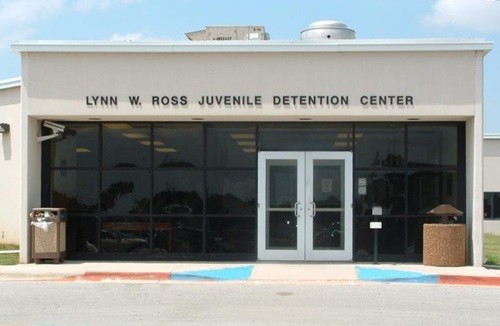
The juvenile must be represented by an attorney at the detention hearing. If the juvenile is taken into custody on a Friday or Saturday, the detention hearing must be on the first working day after the child is taken into custody. Family Code Section 54.01.
At the detention hearing, the judge will determine whether the juvenile should be released or not. There is no way to obtain a bond to secure a juvenile’s release from custody. If the judge determines the juvenile will not be released, another detention hearing must occur within 10 days. While many criminal law provisions do not apply to juvenile cases, the juvenile does have a right to remain silent. During the detention hearing, the judge will be most interested in the following factors in determining if the juvenile should be released:
- Likelihood of absconding
- Level of supervision
- Whether a parent or guardian is available to return the juvenile to court
- Whether the juvenile is a danger to himself or others or if the juvenile presents a risk to public safety
- Whether the juvenile was previously adjudicated for delinquent conduct
- Whether the juvenile is likely to commit an offense if released
Charges Filed
A prosecutor may file a petition in juvenile court formally charging the juvenile. This is generally a charge alleging the juvenile engaged in delinquent conduct, but it could also be an allegation that the juvenile engaged in conduct indicating a need for supervision.
A summons is how the family is given notice that charges have been filed and the case is to proceed in juvenile court. The summons informs the court when the child must appear in court.

Determinate and Indeterminate Sentencing
The prosecuting attorney will determine whether to file a petition for a determinate sentence or an indeterminate sentence. If the prosecuting attorney is seeking a determinate sentence, the prosecutor must obtain grand jury approval for the determinate sentence.
Family Code Section 53.045(a) provides a list of criminal offenses, including habitual felony conduct, for which a juvenile may receive a determinate sentence.
These offenses include
- Murder (§19.02, P.C.)
- Capital Murder (§19.03, P.C.)
- Manslaughter (§19.04, P.C.)
- Aggravated Kidnapping (§20.04, P.C.)
- Sexual Assault (§22.011, P.C.)
- Aggravated Sexual Assault (§22.021, P.C.)
- Aggravated Assault (§22.02, P.C.)
- Aggravated Robbery (§29.03, P.C.)
- Injury to a Child, Elderly or Disabled Individual (§22.04, P.C.) (if the offense is punishable as a felony, other than a state jail felony)
- Felony Deadly Conduct (§22.05(b), P.C.) (by discharging a firearm)
- First Degree or Aggravated Controlled Substances Felony (Ch. 481, Health and Safety Code)
- Criminal Solicitation (§15.03, P.C.)
- Indecency with a Child (§21.11(a)(1), P.C.)
- Criminal Solicitation of a Minor (§15.031, P.C.)
- Criminal Attempt (§15.01, P.C.) (if the offense attempted was murder, capital murder or an offense listed under §3g(a)(1), Art. 42.12, C.C.P.)
- Arson (§28.02, P.C.) (if bodily injury or death occurs)
- Intoxication Manslaughter (§49.08, P.C.).
The Adjudication Hearing (Trial)
A juvenile has a right to a jury at the adjudication hearing, and must affirmatively waive that right in order to proceed before the judge. The judge explains the allegations to the juvenile, the consequences of the proceedings, and the juvenile’s legal rights. The juvenile will enter a plea of “true” or “not true” to the allegations. The Rules of Evidence do apply to this proceeding.
The State’s burden is to prove beyond a reasonable doubt that the juvenile has engaged in the alleged conduct. If the State cannot prove its case beyond a reasonable doubt, the court must dismiss the charge.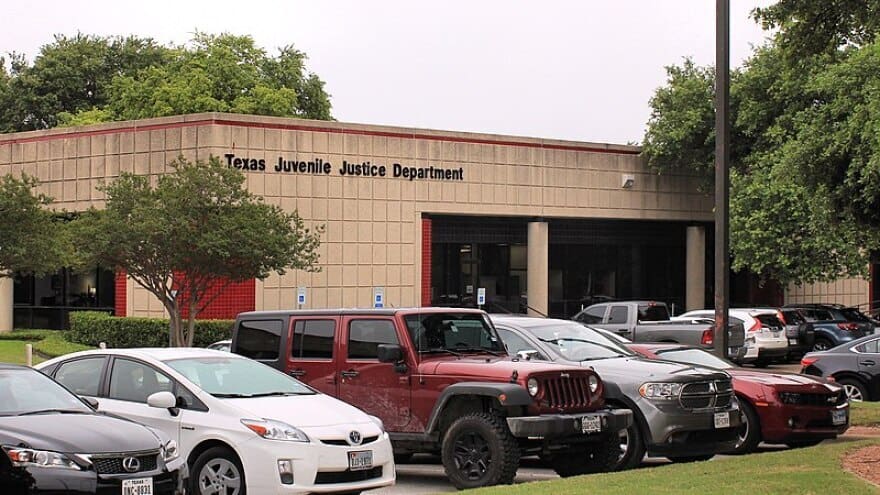
An order for adjudication in the juvenile system is generally not considered a conviction. However, an adjudication for a felony offense that took place after January 1, 1996, that resulted in commitment to the Texas Juvenile Justice Department (TJJD), which used to be called the Texas Youth Commission (TYC), is a felony conviction for the purposes of enhancement in an adult court. TJJD is basically prison for juveniles.
The Disposition Hearing (Sentencing)
The disposition or sentencing hearing is separate from the adjudication hearing.
The sentence may be determinate or indeterminate.
Indeterminate Sentences
There is no right to have a jury for indeterminate sentence cases.
Determinate Sentences
The juvenile does have a right to a jury for determinate sentencing cases.
Certifying a Juvenile as an Adult
The juvenile court may relinquish its original jurisdiction over a juvenile, and have the juvenile tried as an adult in the criminal justice system if:
- The juvenile was 14 or older at the time of the offense and there is probable cause to believe the offender committed a capital felony, an aggravated controlled substance felony or a first-degree felony;
- The juvenile was 15 or older at the time of the offense and there is probable cause to believe the offender committed a second degree, third degree, or state jail felony; or
- The alleged offender is now 18 or older and is being charged with a murder or capital murder that was committed while the alleged offender was a juvenile.
It is unusual for juvenile courts to certify juveniles as adults. The court will consider:
Whether the offense was against a person or property;
- the sophistication and maturity of the child;
- the previous record of the child;
- the continuing danger the child poses to the public; and
- the likelihood of the child’s rehabilitation with the resources available to the juvenile court.
Frequently Asked Questions About Juvenile Defense
Straight answers to the questions Fort Worth parents ask us most when a child is arrested or under investigation.
Does my child really need a lawyer for a juvenile case?
Yes. Even a first offense can affect your child’s school standing, future record, and — for serious felonies — whether they are certified to stand trial as an adult. A juvenile defense lawyer protects your child’s rights from the first hearing and works to keep the matter out of the adult system. Every child has the right to an attorney in Texas.
How much does a juvenile defense lawyer in Fort Worth cost?
Fees depend on the charge and the complexity of the case. Many juvenile matters are handled on a flat fee so you know the cost up front. We offer a free, confidential consultation to review the charge and explain your options before you decide anything.
Can a juvenile record be sealed in Texas?
In many cases, yes. Texas law allows a large number of juvenile records to be sealed so they don’t follow your child into adulthood. Timing and eligibility depend on the offense and outcome — here’s how juvenile records and sealing work.
When can a juvenile be certified to stand trial as an adult?
For certain serious felonies, a child as young as 14 can be certified to adult court, which carries adult penalties. Fighting certification is one of the most important things a juvenile defense lawyer does — learn how juvenile certification works.
What happens at a juvenile detention hearing?
After a child is taken into custody, a detention hearing is generally held within two business days to decide whether they are released to a parent or held. Having a lawyer at that first hearing matters — here’s what to expect at a detention hearing.
Who will handle my child's juvenile case in Fort Worth?
Partner Tiffany Burks leads juvenile defense for our North Texas offices. She prosecuted in Tarrant County for 22 years — handling juvenile, gang, and gun cases and retiring as a Deputy Chief over the criminal division — and now uses that experience on the defense side. The firm also has a Board Certified Juvenile Law specialist, Partner Mike Hanson, on the team.
Tiffany Burks - Fort Worth Juvenile Defense
Tiffany began her legal career as an Assistant District Attorney in Fort Bend County in 1997 before returning to North Texas, where she prosecuted in the Tarrant County District Attorney’s Office for 22 years and rose to Deputy Chief over the criminal division. Learn more about Fort Worth juvenile defense lawyer Tiffany Burks.
THE ROLE OF PARENTS IN THE JUVENILE JUSTICE SYSTEM
Parents have rights as well as responsibilities in the juvenile justice system.
Rights of Parents:
Pursuant to Family Code Section 61.102(a) parent is entitled to the following information “as soon as practicable” after a child is referred to the juvenile justice system:
- the date and time of the offense;
- the date and time the child was taken into custody;
- the name of the offense and its penal category;
- the type of weapon, if any, that was used;
- the type of property taken or damaged and the extent of damage, if any;
- the physical injuries, if any, to the victim of the offense;
- whether the offense was gang-related;
- whether the offense involved the consumption of alcohol or the use of an illegal controlled substance;
- if the child was taken into custody with adults or other juveniles, the names of those persons;
- the aspects of the juvenile court process that apply to the child;
- if the child is in detention, the visitation policy of the detention facility applies to the child;
- the child’s right to be represented by an attorney and the local standards and procedures for determining whether the parent qualifies for a court-appointed attorney to represent the child; and
- the methods by which the parent can assist the child with the legal process.
Responsibilities of Parents:
Juvenile courts may order parents to pay various fees, court costs, and restitution.
If your child has been charged as a juvenile, it is important to seek counsel from an experienced juvenile defense attorney who has experience handling juvenile proceedings. Our attorneys handle only handle a select number of juvenile cases each year. For instance, we have handled cases involving juveniles charged with murder and sexual assault. If you are interested in finding out if our attorneys would handle your case, give us a call at (817) 203-2220.

Why You Need a Juvenile Defense Lawyer in Texas
When your child faces juvenile charges in Texas, the stakes couldn’t be higher. A single mistake shouldn’t define their entire future. Here’s why hiring an experienced juvenile defense attorney is crucial:
1. Fighting for Justice in a Complex System Where the Deck is Stacked Against You
The juvenile justice system in Texas is intricate and often overwhelming for families. Prosecutors have extensive resources and experience, while your child faces a system designed to process cases quickly rather than fairly. Without proper legal representation, your child becomes just another case number.
What you’re up against:
- Experienced prosecutors who handle hundreds of juvenile cases annually
- Complex legal procedures that differ significantly from adult court
- A system that prioritizes efficiency over individual circumstances
- Potential long-term consequences that can follow your child into adulthood
2. Protecting Your Child’s Future
A juvenile record isn’t just a “slap on the wrist” – it can have devastating long-term consequences. The right attorney fights not just for today, but for your child’s tomorrow.
What’s at stake:
- College admission opportunities
- Future employment prospects
- Professional licensing eligibility
- Military service eligibility
- Housing applications
- Educational financial aid
3. Navigating the Complex Legal Process
The juvenile justice system operates under different rules than adult criminal court. Parents and children need an expert guide who understands every nuance of Texas Family Code and juvenile procedures.
Key process challenges:
- Understanding the difference between delinquent conduct and CINS cases
- Knowing your rights during detention hearings
- Preparing for adjudication hearings
- Understanding determinate vs. indeterminate sentencing
- Avoiding certification as an adult
4. Putting Former Prosecutors on Your Side
At Varghese Summersett, our juvenile defense team includes attorneys who formerly worked as prosecutors in Tarrant County. This insider knowledge is invaluable in building your defense strategy.
Prosecutor experience advantages:
- Understanding how the state builds cases
- Knowing prosecution weaknesses and blind spots
- Familiarity with local judges and court procedures
- Insight into plea negotiation strategies
- Experience with juvenile court personnel
5. We Offer Free Consultations
Don’t wait to get help. We provide free consultations to discuss your child’s case and explain your options. Time is critical in juvenile cases, and early intervention often leads to better outcomes.
What our free consultation includes:
- Case evaluation and assessment
- Explanation of charges and potential consequences
- Discussion of defense strategies
- Timeline of the legal process
- Answers to all your questions