
If you’ve been exposed to toxic chemicals, contaminated soil, polluted groundwater, or hazardous air pollutants in Dallas, you face serious health risks that could affect you for years. Environmental contamination can cause cancer, respiratory disease, neurological damage, and other life-threatening conditions. You deserve compensation for your medical bills, lost income, and suffering.
Varghese Summersett’s Dallas environmental contamination lawyers have recovered millions for clients harmed by negligence. We hold polluters accountable.
What Types of Environmental Contamination Cases Do We Handle?
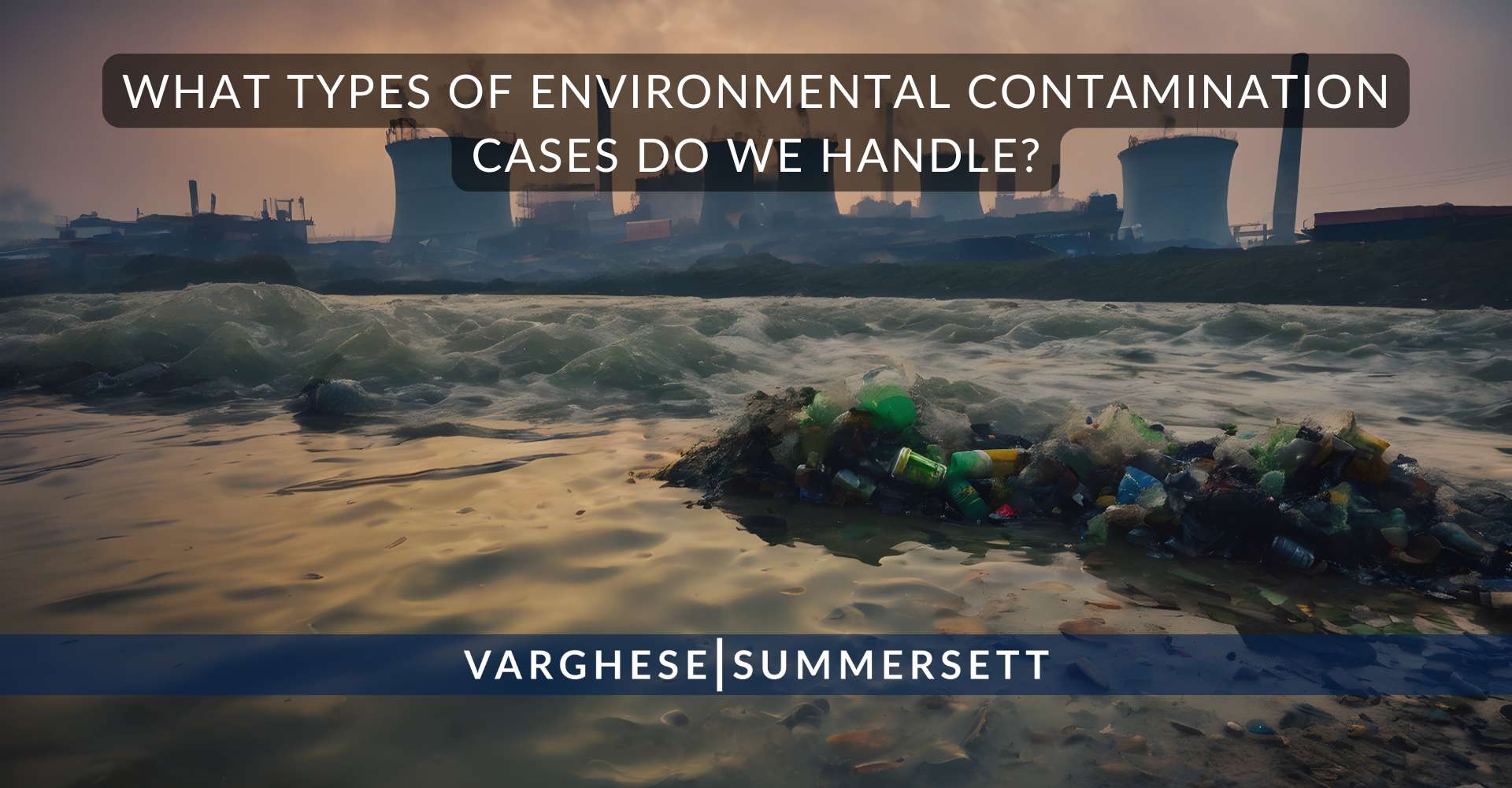
Environmental contamination takes many forms. In Dallas and throughout North Texas, we represent clients harmed by exposure to toxic substances in their homes, workplaces, and communities.
Common sources of environmental contamination include groundwater pollution from industrial facilities, soil contamination from illegal dumping, air pollution from manufacturing plants, lead paint in older buildings, asbestos in homes and workplaces, chemical spills and leaks, pesticide exposure in agricultural areas, and toxic mold from water damage.
These exposures don’t just cause immediate injuries. Many toxic substances cause cancer, respiratory diseases, neurological disorders, reproductive harm, and developmental problems in children that emerge years after the initial exposure.
Texas Law on Environmental Contamination and Toxic Exposure
Under Texas law, property owners and businesses have a duty to prevent harmful contamination and warn about existing hazards. When they fail to meet this duty and someone gets hurt, they can be held liable for damages.
Texas Civil Practice and Remedies Code § 16.003 gives victims two years from the date of injury to file a personal injury claim for toxic exposure. However, because many health effects don’t appear immediately, Texas applies the “discovery rule.” This means the two-year deadline starts when you discover (or reasonably should have discovered) the injury and its connection to the toxic exposure.
Texas also recognizes claims under the Solid Waste Disposal Act (Texas Health and Safety Code Chapter 361), which regulates the disposal of hazardous waste, and the Texas Water Code, which protects water quality and imposes liability for pollution.
The Texas Natural Resources Code § 91.101 addresses liability for oil and gas operations that contaminate soil or groundwater. Companies operating wells, pipelines, and storage facilities must follow strict safety standards. When they cut corners and contamination occurs, they’re responsible for cleanup costs and personal injuries.
Who Can Be Held Liable for Environmental Contamination?
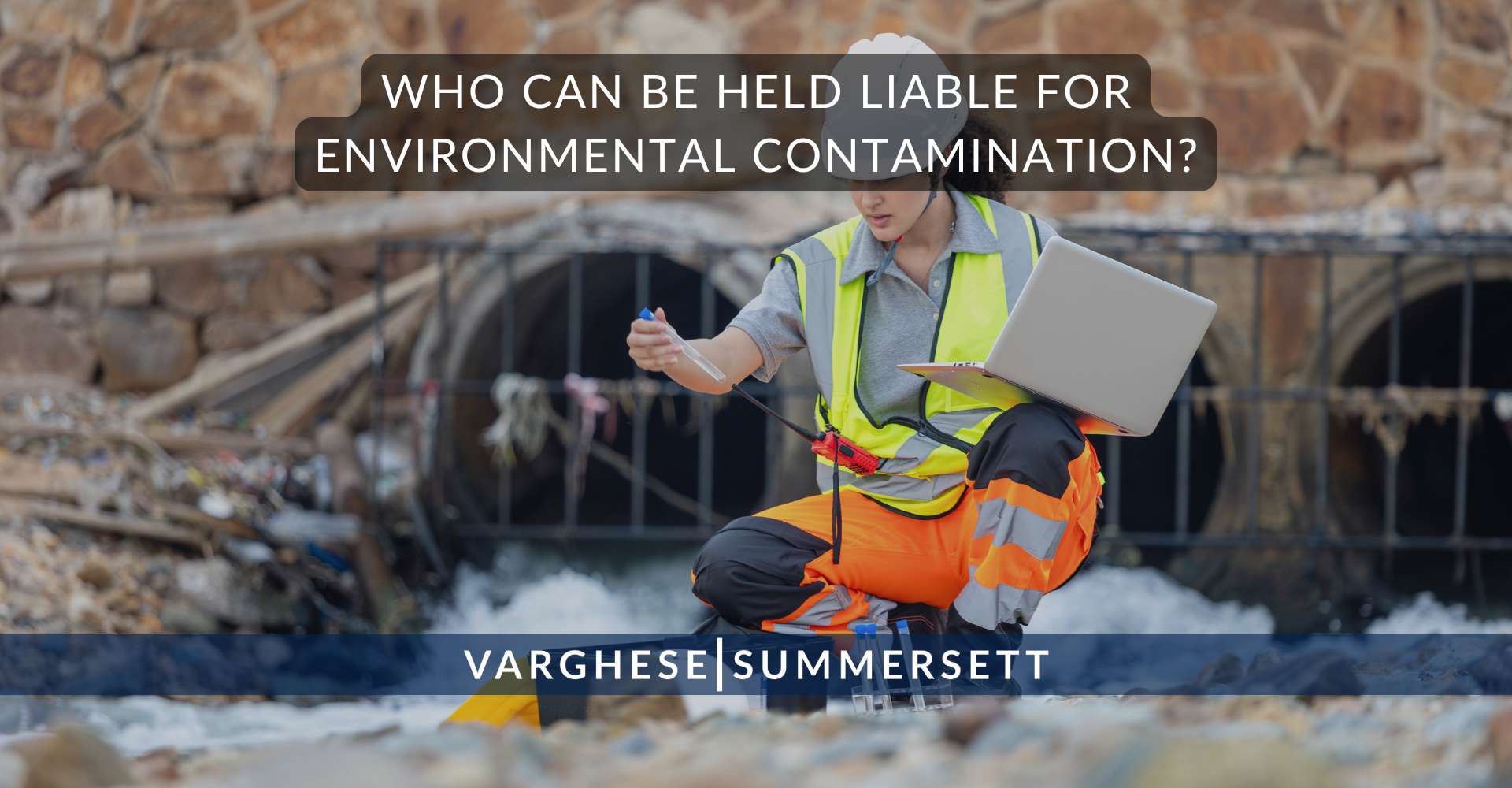
Multiple parties can be responsible for environmental contamination injuries. The key question is who knew or should have known about the hazard and failed to prevent harm.
Potentially liable parties include property owners who fail to disclose or remediate contamination, industrial facilities that release toxins into soil, water, or air, manufacturers of toxic products, contractors who disturb contaminated materials during construction, landlords who expose tenants to lead paint or asbestos, and government entities that fail to enforce environmental regulations.
Texas follows proportionate responsibility rules under Civil Practice and Remedies Code § 33.001. This means each responsible party pays their share of damages based on their percentage of fault. If a manufacturer dumped chemicals and a property owner failed to clean them up, both can be held liable.

What Health Problems Are Caused by Toxic Exposure?
Environmental contamination causes devastating health effects. The type and severity of injury depends on the toxin, the level of exposure, and how long the exposure lasted.
Chemical exposure can cause multiple forms of cancer, including leukemia, lymphoma, lung cancer, and bladder cancer. It can also lead to chronic respiratory conditions like asthma, COPD, and pulmonary fibrosis. Neurological damage from heavy metals and solvents can cause memory loss, tremors, and cognitive decline.
Children are especially vulnerable. Lead exposure damages developing brains and can cause learning disabilities, behavioral problems, and reduced IQ. Pregnant women exposed to certain chemicals face higher risks of miscarriage, birth defects, and developmental delays in their children.
Other serious health effects include liver and kidney damage, autoimmune disorders, reproductive problems, and cardiovascular disease. Many of these conditions require lifelong medical treatment and significantly reduce quality of life.
What Compensation Is Available in Environmental Contamination Cases?
Texas law allows victims of toxic exposure to recover both economic and non-economic damages. The goal is to make you whole again by compensating you for every way the contamination has harmed you.
Economic damages cover your financial losses. This includes all past and future medical expenses, from emergency treatment to ongoing care for chronic conditions. You can recover lost wages for time missed from work, as well as lost earning capacity if your injuries prevent you from returning to your previous job or working at all.
You can also recover the cost of property decontamination if your home or land was contaminated. If you had to relocate to escape the contamination, those expenses are compensable too.
Non-economic damages compensate you for the physical pain and emotional suffering caused by toxic exposure. Chronic illness, reduced life expectancy, loss of enjoyment of life, and the psychological trauma of facing a cancer diagnosis or permanent disability all warrant compensation.
Under Civil Practice and Remedies Code § 41.001, you may also recover exemplary (punitive) damages if the defendant’s conduct showed conscious indifference to the rights and safety of others. These damages punish especially reckless behavior and deter future misconduct. Courts can award punitive damages up to the greater of $200,000 or two times economic damages plus an equal amount of non-economic damages up to $750,000.
What Evidence Do You Need to Prove an Environmental Contamination Case?
Winning an environmental contamination case requires proving that exposure to a specific toxin caused your injuries. This isn’t simple. You need strong evidence connecting the contamination to your health problems.
Medical records are the foundation of your case. You need documentation of your diagnosis, treatment history, and your doctor’s opinion about what caused your condition. Expert medical testimony is often required to establish the link between exposure and disease.
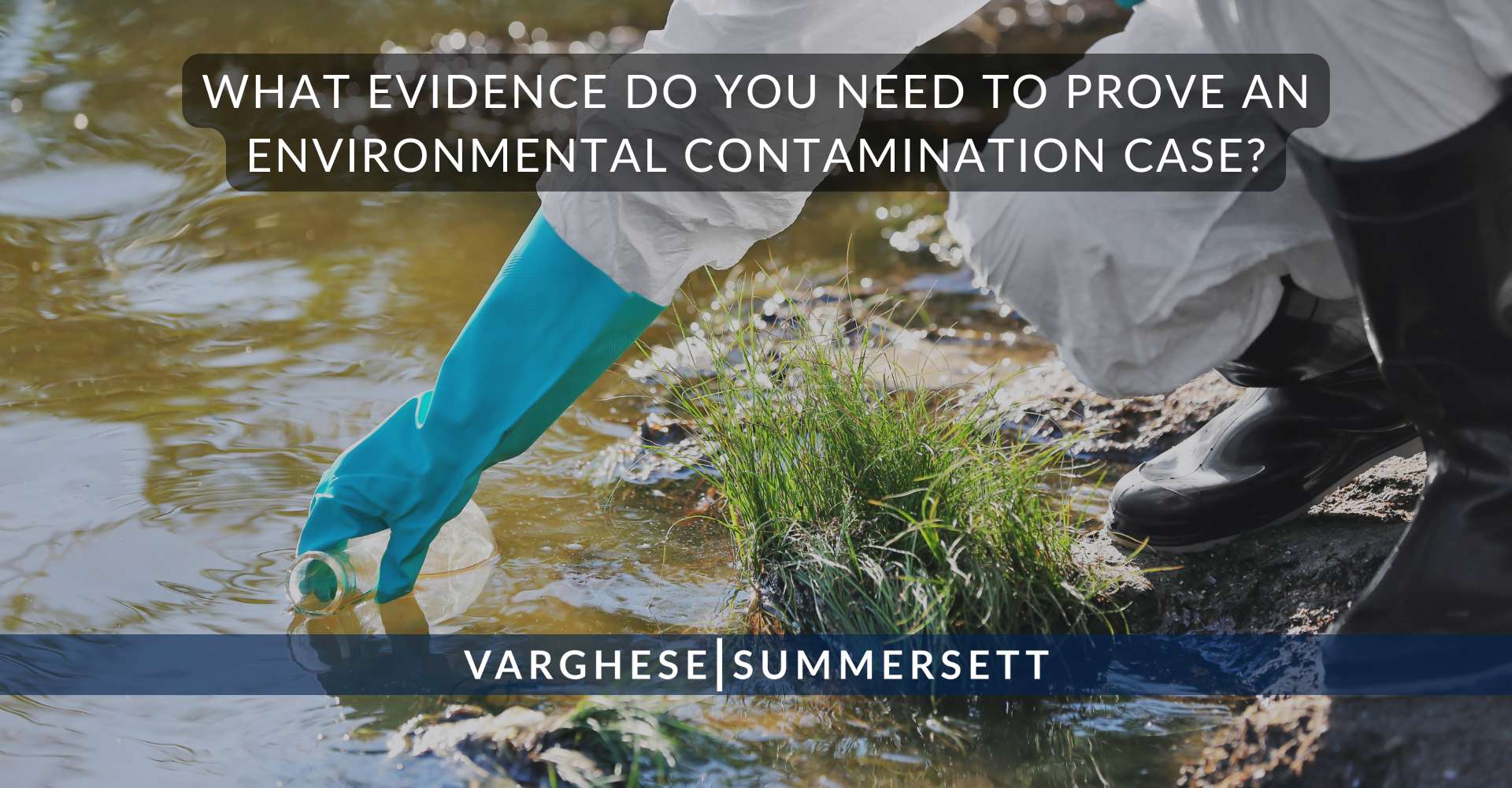
Environmental testing is also critical. Soil samples, water quality reports, air monitoring data, and building inspections can prove contamination existed at the levels necessary to cause harm. Expert witnesses in toxicology, environmental science, and industrial hygiene interpret this data and explain how the contamination occurred.
You’ll also need evidence showing you were actually exposed to the contamination. This might include employment records proving you worked at a contaminated site, property records showing you lived in a contaminated area, or witness testimony from others who observed the contamination.
Finally, you need evidence of who was responsible for the contamination and how they failed to prevent or warn about the hazard. This often requires reviewing corporate records, permits, inspection reports, and safety violations.
Why Insurance Companies Fight Environmental Contamination Claims
Insurance companies aggressively defend environmental contamination cases because the potential damages are enormous. A single contamination event can harm hundreds or thousands of people, creating massive liability exposure.
Insurers use several strategies to minimize payouts. They challenge causation, arguing that your health problems stem from genetics, lifestyle choices, or other factors besides the contamination. They downplay the severity of exposure or claim the contamination levels weren’t high enough to cause injury.
They also exploit gaps in your medical records. If you didn’t seek treatment immediately or had any pre-existing conditions, they’ll argue those factors caused your health problems, not the toxic exposure.
Another common tactic is to shift blame to other parties. If multiple companies contributed to the contamination, each insurer tries to minimize its client’s share of liability. They’ll also claim government regulators should have caught the problem, arguing the government shares fault.
Insurance companies know these cases are expensive and time-consuming to litigate. They count on victims giving up or accepting lowball settlements because they can’t afford to wait years for justice. That’s where experienced legal representation makes the difference. If you are suffering, you need an experienced Dallas environmental contamination lawyer in your corner.

The Environmental Claims Process and Timeline
Environmental contamination cases follow a different timeline than typical car accident or slip and fall cases. They’re more complex and take longer to resolve.
The process begins with investigation. Your attorney will work with environmental experts to test for contamination, identify the source, and determine who’s responsible. This can take months. Medical experts will review your records and conduct examinations to establish the link between exposure and your injuries.
Once we’ve gathered sufficient evidence, we’ll send a demand letter to the responsible parties and their insurers. This formally notifies them of your claim and requests compensation. In some cases, we can negotiate a settlement at this stage.
More often, environmental contamination cases require filing a lawsuit. The litigation phase involves discovery, where both sides exchange documents and take depositions. We’ll depose company representatives, safety officers, and expert witnesses. This phase typically lasts 12 to 18 months or longer in complex cases.
Many environmental contamination cases settle before trial once the defendants realize the strength of the evidence against them. However, we prepare every case for trial and won’t hesitate to go to court if that’s what it takes to get you fair compensation.
If multiple victims were harmed by the same contamination, your case might become part of a mass tort or class action. This can streamline the litigation process but also introduces additional complexity. We’ll advise you on the best approach for your specific situation.

What to Expect From Varghese Summersett
When you hire Varghese Summersett to handle your environmental contamination case, you get a team of legal professionals working on your behalf. Our Dallas office is part of a network of four Texas locations, giving us the resources to take on large corporations and their insurance companies.
We start every case with a thorough investigation. We’ll connect with top environmental scientists, toxicologists, and medical experts who can document the contamination and prove it caused your injuries. We handle all the technical and scientific aspects of building your case.
Our Dallas environmental contamination lawyers have the trial experience to take your case to a verdict if necessary. While past results don’t guarantee future outcomes, they demonstrate our ability to achieve results when it matters most.
You won’t pay attorney fees unless we win your case. We work on contingency, meaning our fee comes from your settlement or verdict. This allows you to pursue justice without worrying about upfront costs.
Throughout the process, we keep you informed. Environmental contamination cases involve complex science and lengthy timelines. We explain everything in plain language and make sure you understand your options at each stage.
Most importantly, we treat you with respect and compassion. We understand that toxic exposure has disrupted your life and threatened your health. You’re not just another case number to us. You’re a person who deserves justice, and we’ll fight to get it for you.

Common Questions About Environmental Contamination Cases
How long do I have to file a claim for toxic exposure?
Texas generally gives you two years from the date you discovered or should have discovered your injury to file a claim under Civil Practice and Remedies Code § 16.003. However, because toxic exposure injuries often don’t appear immediately, determining when the statute of limitations starts can be complicated. Some symptoms may not develop for years or even decades after exposure. The clock typically starts when you knew or should have known that your health problem was caused by toxic exposure. Given these complexities, it’s important to consult with an attorney as soon as you suspect environmental contamination caused your illness.
What if I’m not sure which company caused the contamination?
In many environmental cases, multiple parties contributed to the contamination over time. Under Texas law, you can sue all potentially responsible parties and let the court determine each one’s share of liability. Your attorney will investigate corporate records, environmental reports, and historical property uses to identify everyone who may have contributed to the contamination. Even if you can’t prove exactly which company caused which portion of the contamination, Texas courts can hold multiple defendants jointly and severally liable in certain circumstances.
Can I sue if I signed a waiver or release?
It depends on what you signed and when. If you signed a release as part of a previous settlement, you generally can’t bring a new claim based on the same contamination. However, if your illness or health problems developed after you signed the release, or if the release was signed before you knew about the contamination, it may not be enforceable. Releases obtained through fraud or that violate public policy can also be challenged. An attorney can review any documents you signed and advise whether they prevent you from pursuing a claim.
What if the contamination happened a long time ago?
Many toxic substances cause health problems years or decades after exposure. Texas courts recognize this through the discovery rule, which delays the statute of limitations until you discover or should have discovered your injury. However, there are limits. The statute of repose under Civil Practice and Remedies Code § 16.012 generally bars claims more than 15 years after the contamination occurred, regardless of when you discovered your injury. There are exceptions, particularly for claims involving fraud or intentional concealment. An attorney can evaluate whether your claim falls within the allowable time period.
Do I have a case if I can’t prove exactly when I was exposed?
You don’t need to pinpoint the exact date and time of exposure. What matters is proving that exposure to contamination from a specific source caused your injuries. If you lived in a contaminated area, worked at a contaminated site, or were otherwise regularly exposed to toxins over a period of time, that’s sufficient. Medical and scientific expert testimony can establish that your level of exposure was enough to cause your health problems, even without knowing the precise moment exposure occurred.

Take Action to Protect Your Rights
If you or a loved one suffered illness or injury from environmental contamination in Dallas, don’t wait to get legal help. Evidence degrades over time, witnesses’ memories fade, and the statute of limitations continues to run. The sooner you act, the stronger your case will be.
Insurance companies know that victims who hire experienced Dallas environmental contamination lawyers recover significantly more compensation than those who try to handle claims on their own. They count on you being intimidated by the complexity of environmental litigation. Don’t let them take advantage of you.
Varghese Summersett has the resources, experience, and determination to take on major corporations and hold them accountable for poisoning our communities. We’ve built our reputation by fighting for people who’ve been wronged, and we’re ready to fight for you.
Contact Varghese Summersett today for a free consultation. Call (214) 903-4000 to speak with a Dallas environmental contamination lawyer who will listen to your story, answer your questions, and explain your legal options. Don’t let toxic exposure destroy your health and your future. Let us fight for the compensation you deserve.
Dallas Personal Injury Practice Areas
Our Dallas injury lawyers fight for maximum compensation
Vehicle Accidents
Injured in Dallas? Get a free consultation.