
¿Qué es el acoso en Texas?
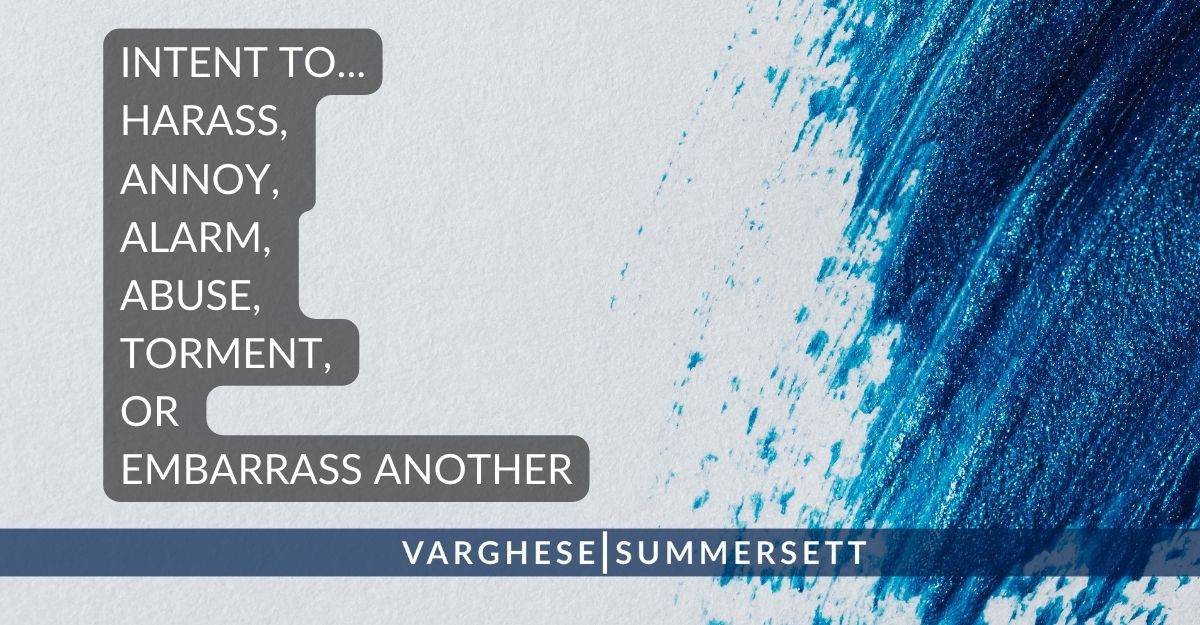
Harassment is defined in Texas Penal Code Section 42.07 and covers a wide variety of actions committed with the “intent to harass, annoy, alarm, abuse, torment, or embarrass another.” This includes obscene communication, threatening communication, false alarms about a family member’s serious bodily injury or death, repeated telephone or electronic communications, making phone calls and hanging up, and publishing repeated electronic communications online that are not of public concern and are likely to cause emotional distress, abuse, or torment.
This page explains how Texas defines and prosecutes harassment statewide. If you are facing charges in a specific area, see our location pages for guidance specific to your county.
The Intent Requirement in Texas Harassment Law
What “Intent” Means
At its core, “intent” refers to the conscious objective or purpose behind an action. For harassment charges, it is not enough that someone felt harassed; the alleged harasser must have acted with the deliberate purpose of causing distress or discomfort.
Acosar
To persistently annoy or torment someone, whether through repeated unwanted communications, following someone, or other behaviors that persistently disturb another person’s peace.
Molestar
To irritate or disturb, usually through a repeated act that is unwelcome. It is less intense than harassment but still causes discomfort.
Alarma
To cause fear or a heightened state of awareness, often through threats or actions that make someone fear for their safety or well-being.
Abuso
To treat with cruelty or violence, especially regularly or repeatedly. In the harassment context, it often refers to emotional or psychological mistreatment, though it can also encompass physical actions.
Tormento
To inflict severe physical or psychological pain. It is more intense than mere annoyance and implies a level of cruelty in the actions.
Avergonzar
To cause someone to feel self-conscious or ashamed, such as by revealing personal information, mocking, or other actions that demean or belittle the person.
Why Intent Matters in Harassment Cases
The intent requirement ensures that only those who act with a malicious or harmful purpose are held legally accountable. Accidental or unintentional actions that might annoy or even alarm someone would not typically meet this standard.
For example, if someone sends a text to the wrong number, even if the recipient is annoyed, there is no intent to harass or annoy, so it would not be considered harassment under the law.
How Intent Is Proven
La intención suele probarse circunstancialmente. Pruebas como acciones repetidas (como múltiples mensajes no deseados), amenazas directas u otros comportamientos pueden utilizarse para demostrar la intención.
Examples of Harassment Under Texas Law
To qualify as harassment, the acts must be done with the specific “intent to harass, annoy, alarm, abuse, torment, or embarrass another.” The context, frequency, and relationship between the parties play a crucial role in determining whether an act can be legally classified as harassment.
Obscene Communication
Definition: Sending messages that contain lewd, vulgar, or indecent material.
Example: A person sends explicit photos or graphic descriptions of sexual acts to another individual without consent, intending to offend or disturb them.
Threatening Communication
Definition: Making threats of harm or violence.
Example: Someone sends a text message saying, “Watch your back, I’m coming for you,” or “You’ll regret crossing me.”
False Alarms About a Family Member’s Serious Bodily Injury or Death
Definition: Deliberately conveying false information about the serious injury or death of a family member.
Example: A person falsely informs another that their sibling has been in a severe car accident, intending to cause panic and distress.
Repeated Telephone or Electronic Communications
Definition: Sending multiple unwanted phone calls, texts, emails, or other electronic messages.
Example: An ex-partner sends dozens of emails and texts over a short period, even after being asked to stop, with intent to annoy or torment the recipient.
Making Phone Calls and Hanging Up
Definition: Calling someone and intentionally disconnecting without speaking, especially when done repeatedly.
Example: Over several days, an individual receives multiple calls from an unknown number, and each time they answer, the caller immediately hangs up, causing confusion and anxiety.
Publishing Repeated Electronic Communications Online Not of Public Concern
Definition: Posting multiple messages or content online, especially on social media, that is not related to public concerns and is likely to cause emotional distress.
Example: Someone takes private messages from a past relationship and repeatedly posts them across social media platforms, not because they are of public interest, but to embarrass and torment an ex-partner.
Harassment Offense Levels and Punishment in Texas
Delito menor de clase B
Harassment is generally classified as a Class B misdemeanor when a person commits the offense without any prior harassment convictions. Punishment includes up to 180 days in jail, a fine of up to $2,000, or both.
Delito menor de clase A
If the offender has a previous harassment conviction, the subsequent offense is elevated to a Class A misdemeanor. Punishment includes up to one year in jail, a fine of up to $4,000, or both.
Legal Challenges to the Texas Harassment Statute
The electronic harassment provision in Texas Penal Code § 42.07(a)(7) has faced repeated First Amendment challenges. For years, defendants argued the statute was unconstitutionally vague and overbroad because it punishes communication. The Texas Court of Criminal Appeals rejected those facial challenges, but a 2025 decision has opened a significant new avenue for defense.
Barton and Sanders: Facial Challenges Rejected
In Ex parte Barton (2022), the Court of Criminal Appeals held that § 42.07(a)(7) does not implicate the First Amendment and satisfies the rational basis test, concluding the overbreadth doctrine did not apply because the statute targets conduct rather than protected speech. The companion case, Ex parte Sanders, was resolved on the same reasoning. Together, these decisions upheld the statute against facial attacks and gave prosecutors broad latitude to bring harassment charges.
Owens v. State: A New As-Applied Limit (2025)
In Owens v. State (decided June 2025), the Court of Criminal Appeals reversed a harassment conviction, holding the statute unconstitutional as applied to the defendant. The defendant had sent repeated messages to a former therapist’s professional accounts, and the Court found he was punished for the content of his speech rather than merely the act of sending repeated communications. Because the conviction turned on what was said, the Court applied strict scrutiny, which the State could not satisfy.
Owens did not strike down § 42.07 on its face, so the statute remains in effect. But it establishes that prosecutors cannot use the harassment statute to punish offensive or upsetting speech simply because it causes emotional discomfort. This distinction between punishing conduct and punishing content is now a central battleground in Texas harassment defense.
Defenses to Harassment Charges in Texas
Falta de intención
El Código Penal de Texas exige que el presunto acosador haya actuado con la "intención de acosar, molestar, alarmar, abusar, atormentar o avergonzar a otro". Si esta intención no puede probarse, puede servir como defensa.
Identidad equivocada
The defendant can argue they were not the person who committed the alleged harassment, supported by alibis, witness testimony, or other evidence.
Consentimiento
If the alleged victim gave prior consent to the actions or communications now labeled as harassment, it can serve as a defense.
First Amendment Rights
In some cases, the defendant might argue that their actions or communications are protected by the First Amendment, especially when the alleged harassment is based on speech or expression. This defense has limitations, particularly when the speech involves threats or obscenities.
Truth
En los casos en que la acusación de acoso implique la difusión de información falsa, demostrar la veracidad de la declaración puede servir como defensa.
Pruebas insuficientes
If there is not enough evidence to prove beyond a reasonable doubt that the defendant committed harassment, it can serve as a defense.
Accidental Communication
If the defendant can prove the communication was accidental and not intended to harass, it can be used as a defense.
These are examples of possible defenses. Any successful defense must be specific to the allegations you are facing.
Charged With Harassment in Texas?
Harassment charges can affect your record, reputation, and freedom. If you have been charged with harassment anywhere in Texas, contact us to discuss your case at (817) 203-2220.